
THE safety of politicians has become an increasingly urgent issue, affecting representatives from MPs right down to town and parish councillors. Much national focus is on Westminster, but those of us in local government face a rise in hostility, intimidation and online threats. It is quieter and less visible, but no less serious.
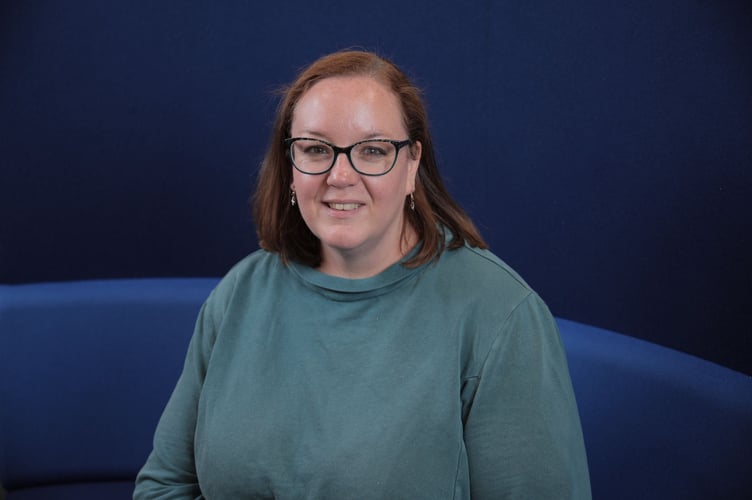
As a Liberal Democrat councillor in Liskeard, I’ve always believed in open, community focused politics. Our party has long championed respectful debate, transparency and grassroots engagement. Those values matter deeply to me. But modern political life means openness now comes with risks barely imaginable a decade ago.
The current events around the tragic murder of Ann Widdecombe, as well as of Jo Cox in 2016 and Sir David Amess in 2021, are devastating reminders of how far political hatred can go. Their deaths shocked the nation, forcing a reckoning with the dangers faced by elected representatives. Those tragedies were national moments of grief, but they also highlighted something many councillors already knew: the climate of hostility is not confined to Parliament. It reaches right down to local government.
Local councillors are often the most accessible tier of government. We live in the communities we serve, shop in the same high streets and attend the same events. That closeness is a strength of local democracy, but it means we are more exposed when behaviour crosses a line. In Liskeard, as in many towns, councillors deal with difficult issues: planning, public services, regeneration, and the frustrations of tight budgets. Most residents engage respectfully, even when they disagree. But the tone online has changed dramatically.
Social media has made it easier to contact elected representatives, but it has also allowed abuse to flourish. I have personally seen a sharp increase in threatening or aggressive messages, particularly on Facebook. I decided to stop using the platform altogether several years ago as it was no longer a safe or constructive space to engage with residents.
One worrying development is the rise of automated accounts, or bots, used to amplify anger, distort debate and provoke pile‑ons. These accounts can swarm comment sections within minutes, giving the impression of widespread outrage when in reality it may be only a handful of real individuals supported by automated systems. Bots recycle phrases, push misleading narratives, and encourage others to join in. Genuine discussion is drowned out by manufactured hostility.
The presence of bots also makes it harder to judge the true mood of the community. A councillor reading dozens of hostile comments may assume they reflect public feeling, when they may be artificially generated. This distortion increases stress, fuels anxiety, and contributes to a climate where councillors feel constantly under attack.
Healthy disagreement is essential to democracy, and councillors must be open to scrutiny. But scrutiny is not abuse. When threats become normalised, fewer people stand for public office. That weakens local democracy and reduces the diversity of voices around the table.


.jpeg?width=209&height=140&crop=209:145,smart&quality=75)
We need stronger support, clearer reporting routes, and better public awareness of how bots distort online debate. Respect strengthens democracy. Intimidation corrodes it.
Comments
We've recently changed our login process. If you have an account for commenting, you will need to re-register on the login window.
This article has no comments yet. Be the first to leave a comment.