
THIS is the time of long nights and short days, the shortest being the winter solstice on December 21. The plus side – yes, there is one - is that the Earth is closest to the sun and moves in its orbit at high speed.
It will be lighter in the afternoon by January, so this term is the best for after-school observing. Don’t miss the opportunity - the Orion group is a collection of seriously bright stars. alongside some interesting astro objects.
The phases of the moon are: December 4, full moon (known as the Cold or Long Night Moon in the USA, and the last in a set of three Super Moons); December 11, last quarter; December 20, new moon; December 27, first quarter.
The full moon rising appears much bigger than usual, as it’s closer than average to the Earth. It’s only an optical illusion; try viewing the moon as it breaks the horizon, then observe it again through a cardboard tube (like a kitchen roll) to see it shrink before your eyes, only to grow back to normal Super Moon size upon removing the tube.



.jpeg?width=209&height=140&crop=209:145,smart&quality=75)
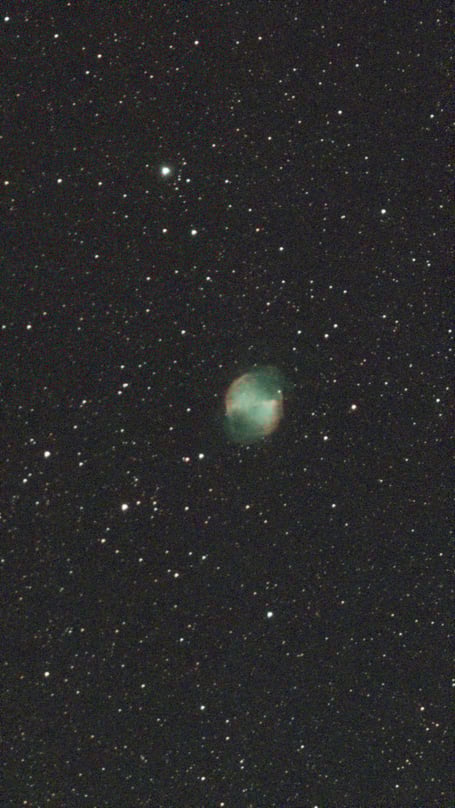
The stars this month focus on the large open star cluster called Pleiades, and the nebula in the sword of Orion.
As for the planets, Mercury is a bright object rising ahead of the sun, at its best on December 8. Venus is not far behind in the sky, and Mars can be seen soon after the sun sets. Jupiter is also pretty bright, and Saturn is in the south west in Gemini, setting after the sun.
The Geminids meteor shower peaks this month on December 13/14 in the constellation of Gemini. We should get a good show, especially after midnight.
Brian Sheen runs the Roseland Observatory which is based in Truro High School for Girls. www.roselandobservatory.co.uk
Comments
We've recently changed our login process. If you have an account for commenting, you will need to re-register on the login window.
This article has no comments yet. Be the first to leave a comment.