
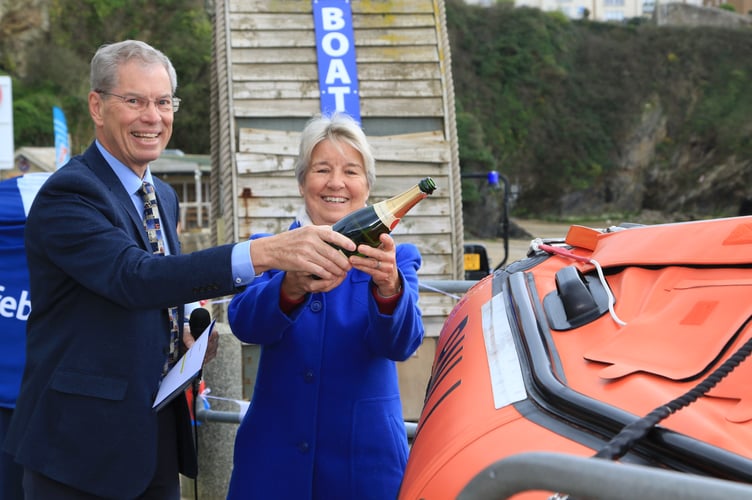
Newquay RNLI officially named its new D class inshore lifeboat on Saturday.
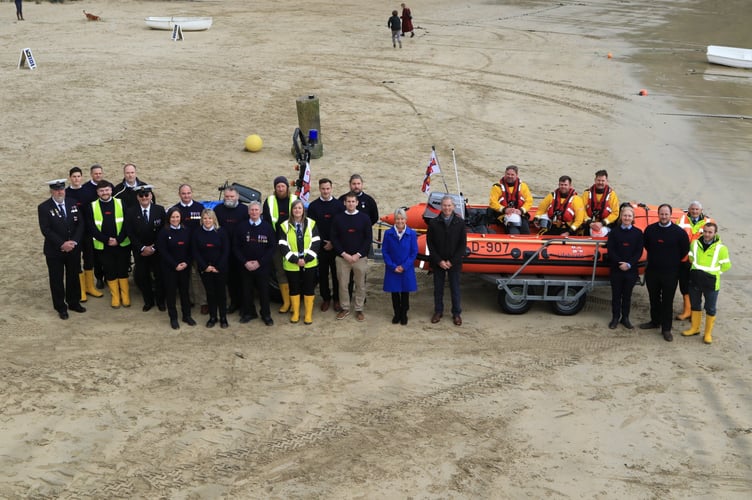
Invited guests, volunteer crew and fundraisers attended the special naming ceremony and service of dedication at Newquay Lifeboat Station to watch as the vessel being officially named Richmond.
Many members of the public and families congregated in Newquay Rowing Club to watch the occasion being streamed live.


Mark Killingback, the lifeboat management group chair, welcomed guests and opened the proceedings.
Andrew Richmond, donor of the new D class handed the lifeboat into the care of the RNLI. The vessel was accepted by Mike Sturrock, RNLI trustee, who then handed it Gareth Horner, Newquay RNLI lifeboat operations manager.
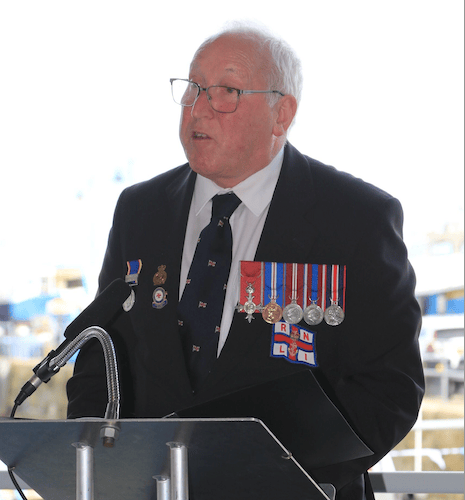
A service of dedication by the Reverend Canon Jane Kneebone, before Andrew and Lynne Richmond officially named the lifeboat, with Joe Waldron, boat and shore crew member assisting with the pouring of the champagne on behalf of Newquay Lifeboat Station.
.jpeg?width=752&height=500&crop=752:500)
A vote of thanks was delivered by Mark Morris, helm and lifeboat training assessor, before Gareth Horner officially closed the ceremony.
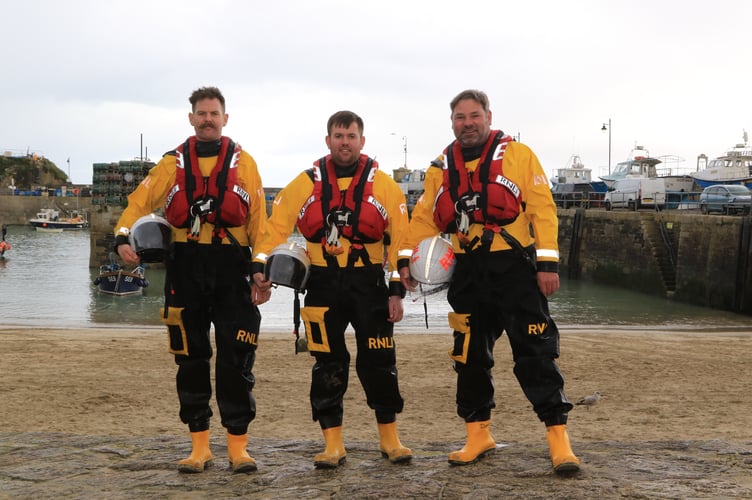
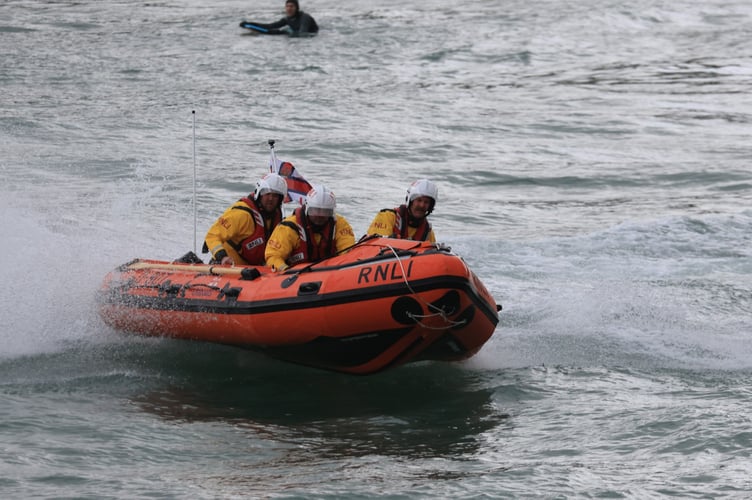
Mike Martin helmed the newly named Richmond and assisted by crew members, Duncan Wallace and Luke Livingstone, gave a spectacular demonstration of the D class and her capabilities to a crowd of delighted onlookers.
Tea and refreshments were served in Newquay Rowing Club where crew got the chance to chat to and thank Andrew and Lynne for their generous donation to the RNLI.
Mr Horner, said: “Newquay RNLI is delighted with the arrival of this new D class lifeboat. Known as the fleets work horse, the D class lifeboat has a top speed of 25 knots, the D class lifeboat can endure three hours at sea at this speed on search and rescue missions – a crucial factor when lives are at risk.
“Not only that, she can access areas inaccessible to our all-weather lifeboats, such as close to cliffs, rocks and caves.
“As an inflatable inshore lifeboat, the D class is designed to operate close to shore in shallower water and is ideal for rescues in fair to moderate conditions and particularly in the big surf which we experience along our coast.
“Many rescues take place at night and can involve being close to dangerous cliffs, manmade structures or caves. In addition to night vision equipment, the D class lifeboat carries a searchlight and parachute illuminating flares to light up the surrounding area, helping to keep crew members safe as well as locate those in need of help.
“We are hugely grateful to Andrew and Lynne for donating this sturdy and versatile vessel which replaces our outgoing D class, Enid Mary who has served us well for the past 11 years.”
Comments
This article has no comments yet. Be the first to leave a comment.