

A CORNISH Member of Parliament is calling for stronger national resilience to extreme weather.
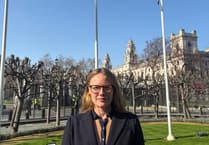
Jayne Kirkham, MP for Truro and Falmouth, led an adjournment debate in Parliament on national resilience in extreme climate and weather events on Tuesday, March 10.
She used the recent extreme weather in Cornwall as a warning for the rest of the UK.
.jpeg?width=209&height=140&crop=209:145,smart&quality=75)

.jpeg?width=209&height=140&crop=209:145,smart&quality=75)
This winter was Cornwall’s wettest since records began in 1836, with Cardinham experiencing 55 consecutive days of rain.
Cornwall was also hit by three severe storms in quick succession, which included Goretti, Ingrid and Chandra. Storm Goretti brought a rare Met Office red warning, winds of around 120 mph, major damage to homes and infrastructure, more than 1,000 fallen trees, widespread power and water outages, and a tragic fatality in Mawgan.
Ms Kirkham sits on the Environment Food and Rural Affairs Committee, which is conducting an ongoing inquiry into climate and weather resilience. She highlighted the wide-ranging risks posed by extreme weather, from farming and food security to energy, transport, waste disposal and digital connectivity.
She stressed that rural and coastal areas like Cornwall face particular pressures, including coastal erosion, rising sea levels, the vulnerability of infrastructure, and threats to coastal economies as beaches, cafés, car parks and roads face ‘managed realignment’ under the Shoreline Management Plan.
Ms Kirkham urged faster, more coordinated action, calling for better identification and support for vulnerable residents, clearer emergency planning for parish councils, community hubs with back‑up power and communications, a more reliable, resilient transport system, particularly given the vulnerability of the Dawlish rail line, Cornwall’s only rail route in and out of the county and stronger digital and mobile infrastructure in rural areas.
Ms Kirkham said: “Being at the edge of the country means we are often at the sharp edge of climate change,” said. “We are closer to its effects than the rest of the country, and the weather often hits us slap in the face on even a normal day.”
This winter was Cornwall’s wettest since records began in 1836, with Cardinham experiencing 55 consecutive days of rain. Cornwall was also hit by three severe storms in quick succession — Goretti, Ingrid and Chandra. Storm Goretti brought a rare Met Office red warning, winds of around 120 mph, major damage to homes and infrastructure, more than 1,000 fallen trees, widespread power and water outages, and a tragic fatality in Mawgan.
“Many residents had no power, no broadband and no mobile signal, meaning they had no way to call for help,” Ms Kirkham said. “Although emergency teams worked tirelessly, the storms exposed serious weaknesses in communications systems, mobile coverage, and support for vulnerable residents.”
“The storms were a wake-up call,” Jayne said. “They exposed vulnerabilities in our infrastructure and emergency planning that could affect any part of the country. I used Cornwall’s experience to show the Cabinet Office what we need for greater resilience in the future. Extreme weather events are becoming more frequent, and we need to be better prepared.”
Ms Kirkham continues to press ministers on rural telecom connectivity, trainline resilience and sewage overflow issues and has received a positive response.
Comments
This article has no comments yet. Be the first to leave a comment.