
A CORNISH mother who runs an animal therapy farm for neurodiverse children has said that families like hers are paying a "disability tax" on sensory toys.
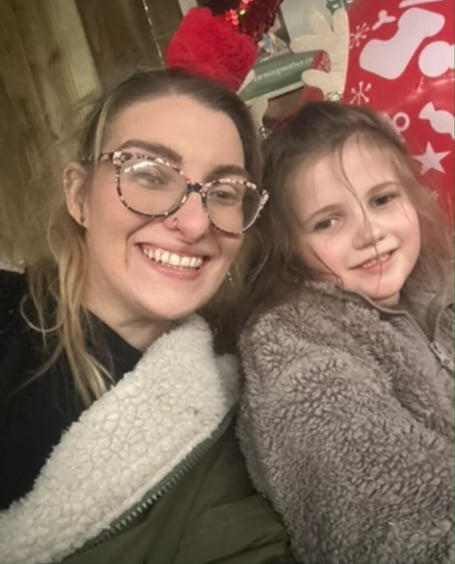
Keeley Reading runs The Farming Mother in Penvergate, near St Austell, a community organisation supporting SEND children and their families.
She is also mum to six-year-old Mads, who has a complex neurodivergent profile recognised by professionals and is currently awaiting a formal autism assessment.
In her experience, Keeley believes that sensory toys and equipment get marked up the moment they are labelled as 'sensory', 'specialist' or 'SEND'.
She said: “As soon as something is labelled ‘sensory,’ ‘specialist’ or ‘SEND,’ the price often appears to increase significantly. It can feel like a disability tax.
“Some specialist products understandably cost more because they require additional safety testing, stronger construction or therapeutic design. However, the label itself can also seem to attract a premium, even when the product is very simple or almost identical to something sold more cheaply elsewhere.
“Families should not have to pay inflated prices simply because their child needs a different way to play, learn or regulate.”
New research from toy swap subscription service Whirli has raised questions about whether trend-driven demand can make particular sensory toys harder to find or more expensive for families of children with special educational needs and disabilities (SEND).
For families that rely on sensory toys to meet particular developmental or sensory needs, the additional cost can add to an already expensive process of finding products that are suitable, safe and engaging.
Whirli, who compared current retail prices with live secondary market asking prices for popular sensory toys, found that when sought-after toys become harder to find, families can encounter much higher asking prices elsewhere.




Their research found that sensory toys are listed on resale sites for an average of £18.87, against an average UK retail price of £9.33. Buying directly from an independent seller can also mean having to make their own checks around an item's condition, cleanliness and whether any pieces are missing.
Keeley added: “We always need to inspect items carefully because wear, missing pieces or previous damage can create additional risks for a child who mouths, throws or uses toys very physically.”
When demand is high, some independent sellers may also seek to capitalise on a toy’s popularity by setting much higher asking prices. For families already facing extra costs, that can make an already difficult search even more frustrating.
Keeley explained: “Price always has an impact, particularly when we cannot predict whether Mads will use something or whether it will withstand the way she plays.
“Mads does not ask for toys in the conventional sense, so we do not experience long lists of requested presents. Instead, we buy items as and when we identify something that might meet a particular sensory, physical or developmental need.
“However, specialist equipment can be extremely expensive, and families like ours are often paying for far more than toys. We may also need therapy equipment, safety products, specialist clothing and replacements for damaged household items. All of those costs add up.
“Repeatedly replacing toys is costly and wasteful, but leaving her without safe ways to meet her sensory needs is not an option.”
“SEND families often share recommendations and equipment because we understand how expensive it can be to keep purchasing things without knowing whether our child will engage with them.”
Comments
We've recently changed our login process. If you have an account for commenting, you will need to re-register on the login window.
This article has no comments yet. Be the first to leave a comment.