
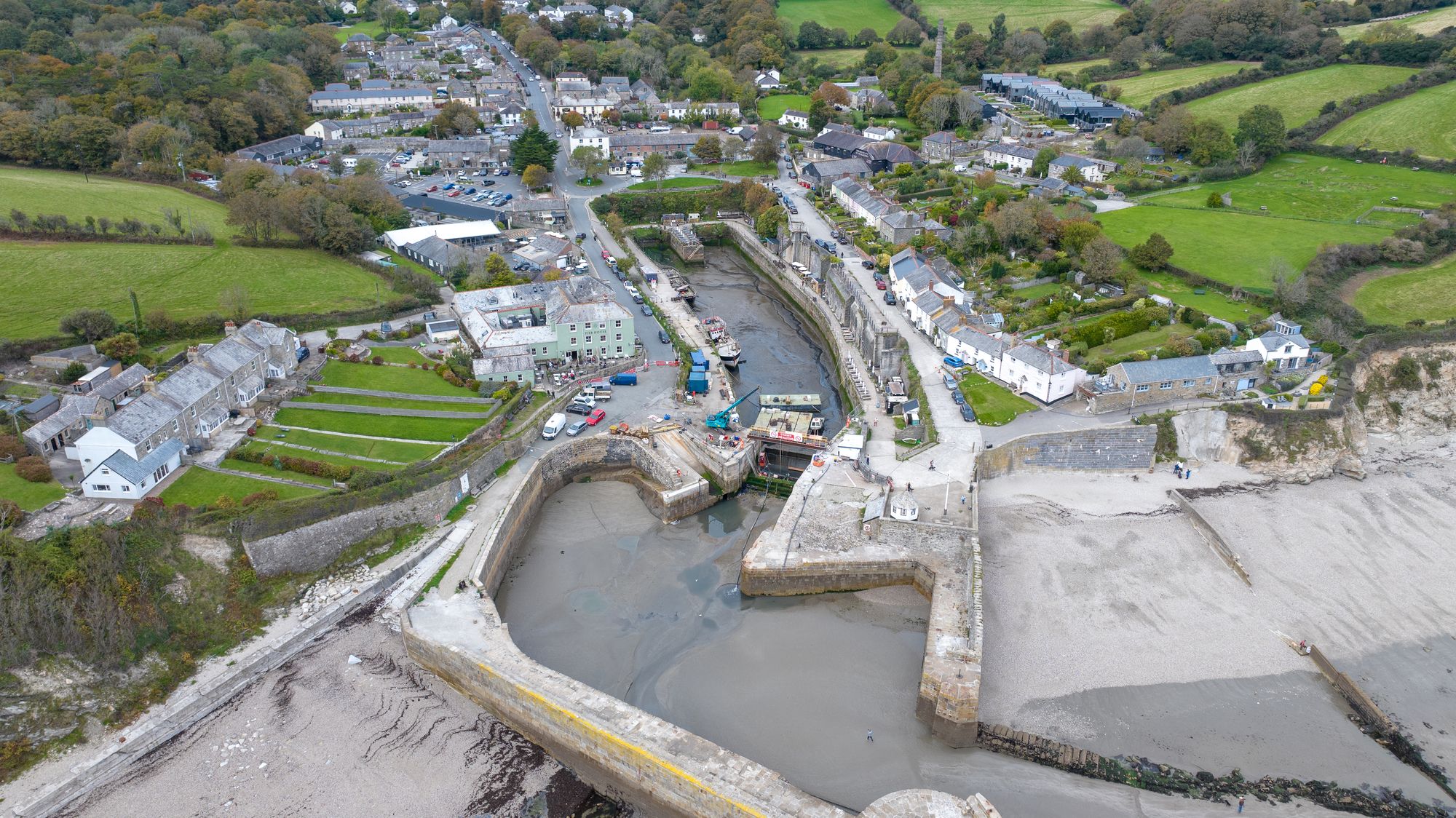
WITH its picturesque tall ships harking back nostalgically to a time of sail power, Charlestown Harbour is one of Cornwall’s most beautiful and recognisable landmarks, its legacy so precious it forms part of the Cornish Mining UNESCO World Heritage Site. But boats are currently few and far between at Charlestown.
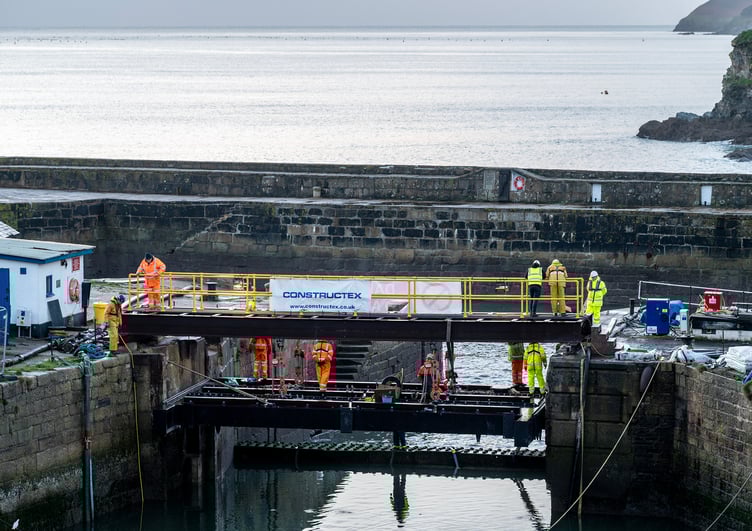
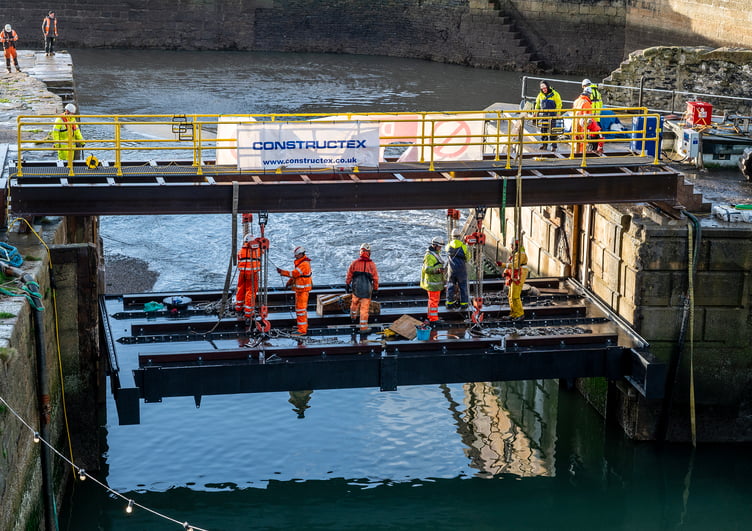
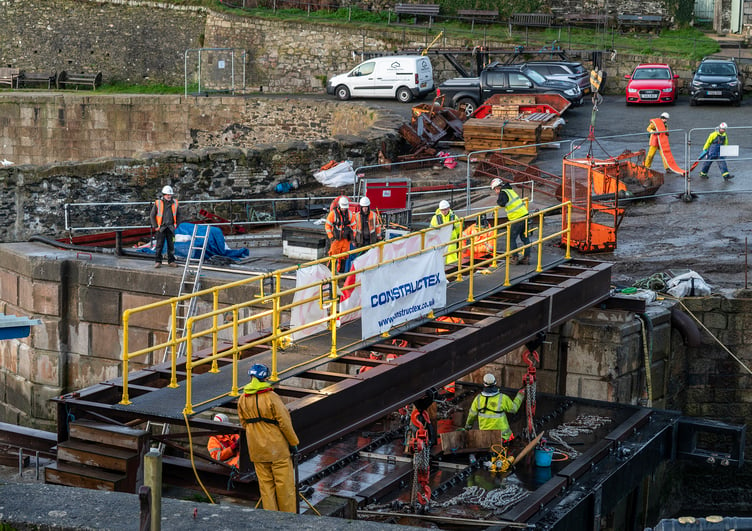
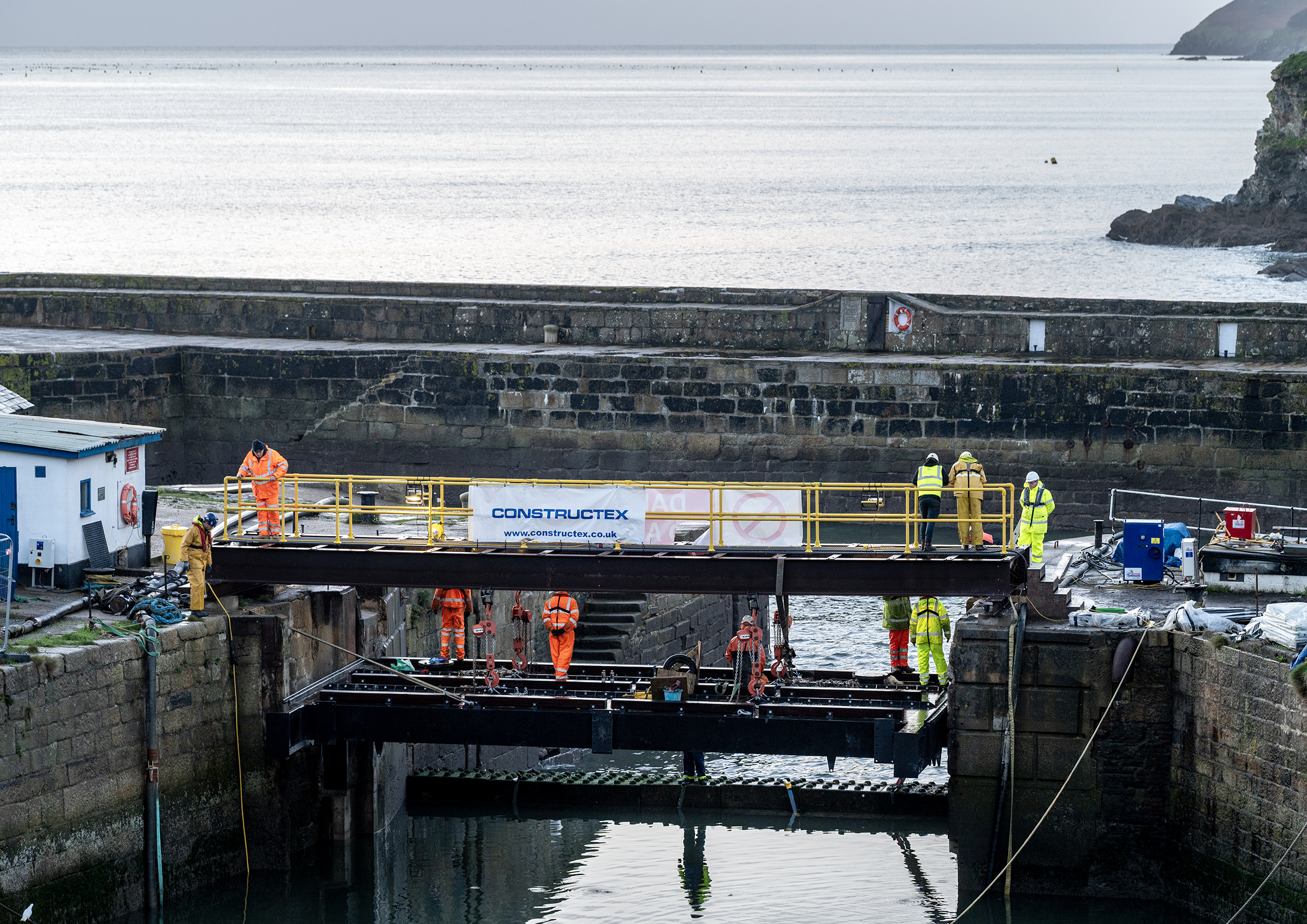
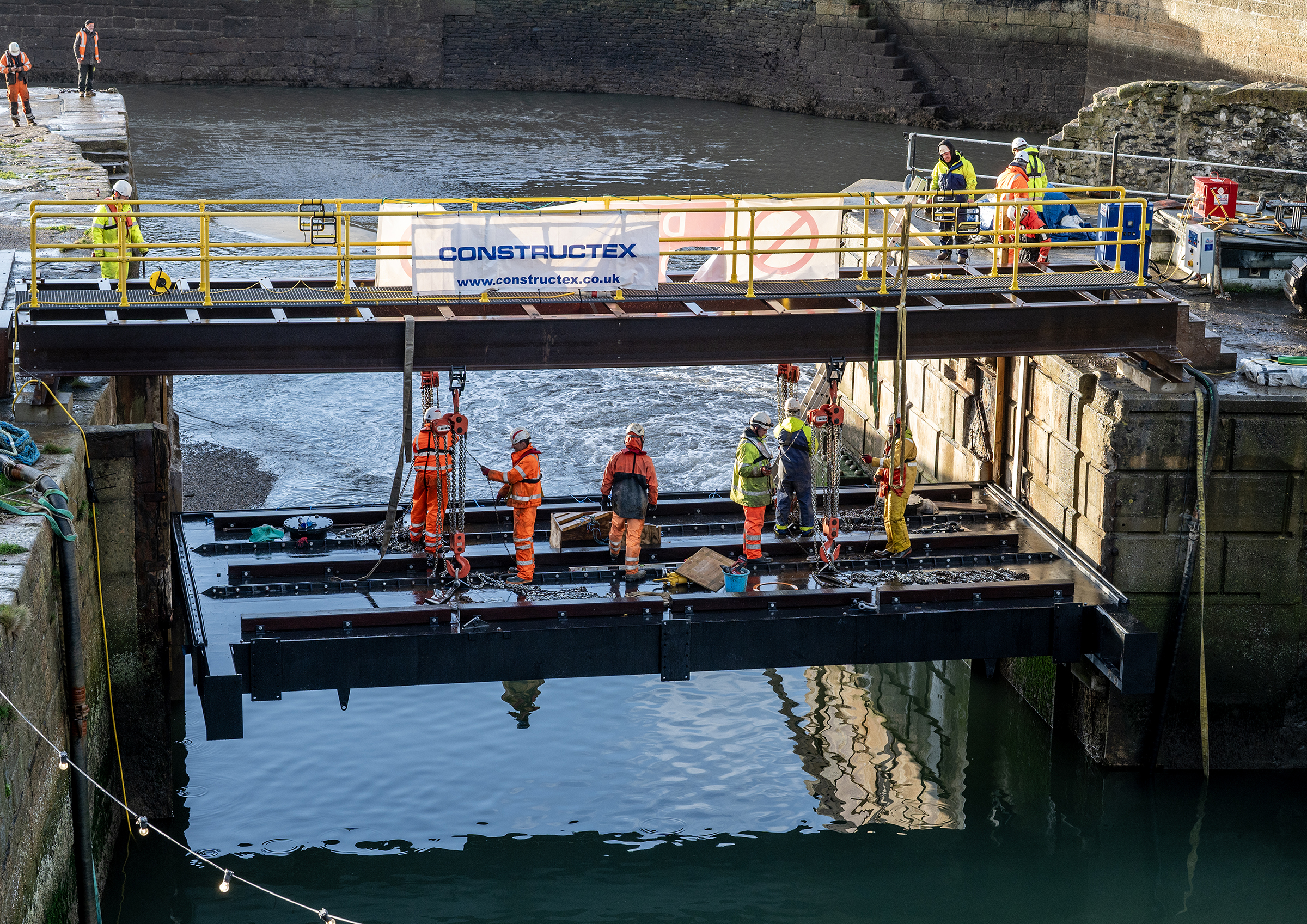
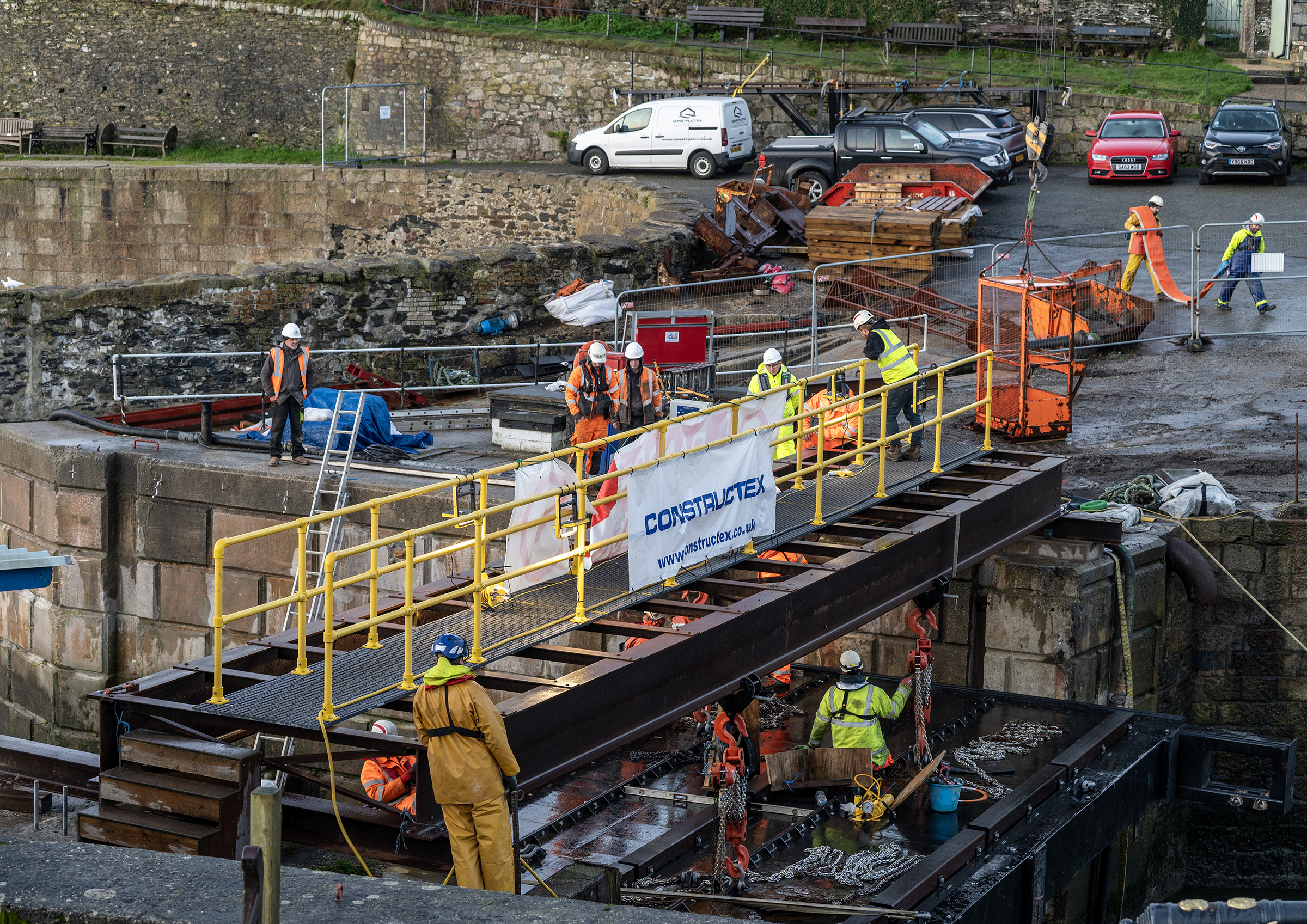
Yesterday, on a crisp December morning, blue skies were dotted with claggy grey cloud, bringing with them the threat of showers. Down below in the harbour, workers clad in yellow and orange hi-vis were buzzing about on the new £2 million lock gate, which is finally being installed over a year after its predecessor suffered irreparable storm damage in September 2024.
Designed especially for the harbour by marine engineering firm Constructex, the gate combines modern techniques with careful heritage preservation, and represents months of planning and investment.
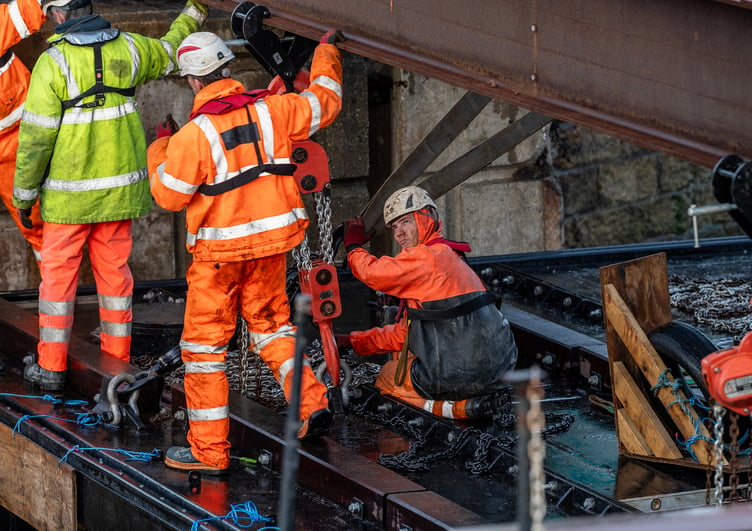
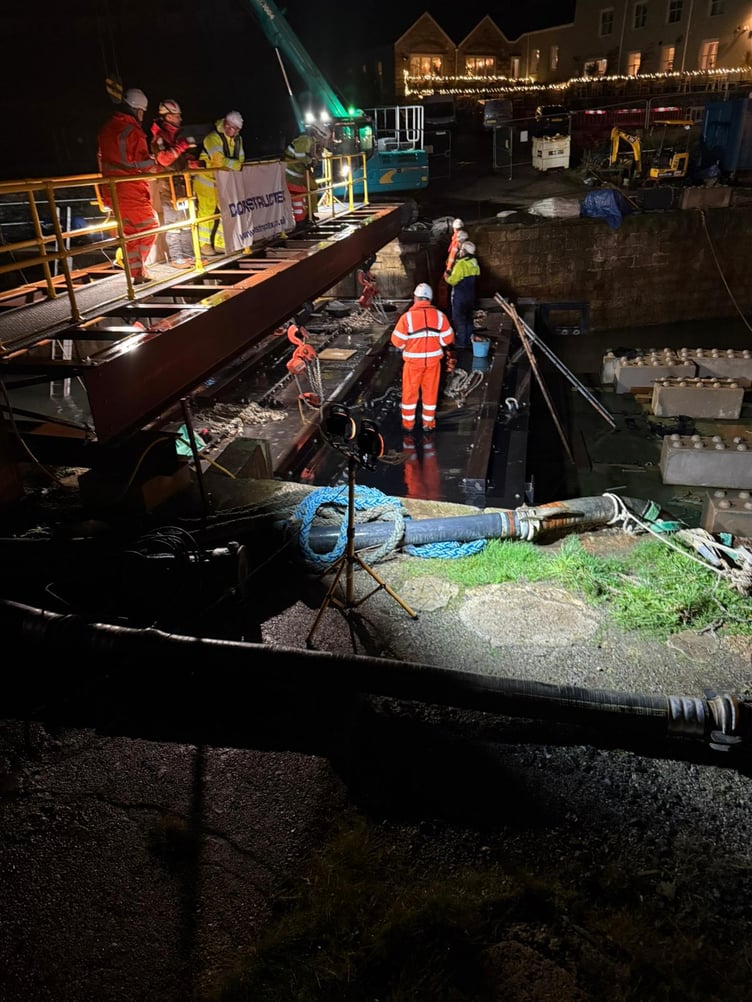
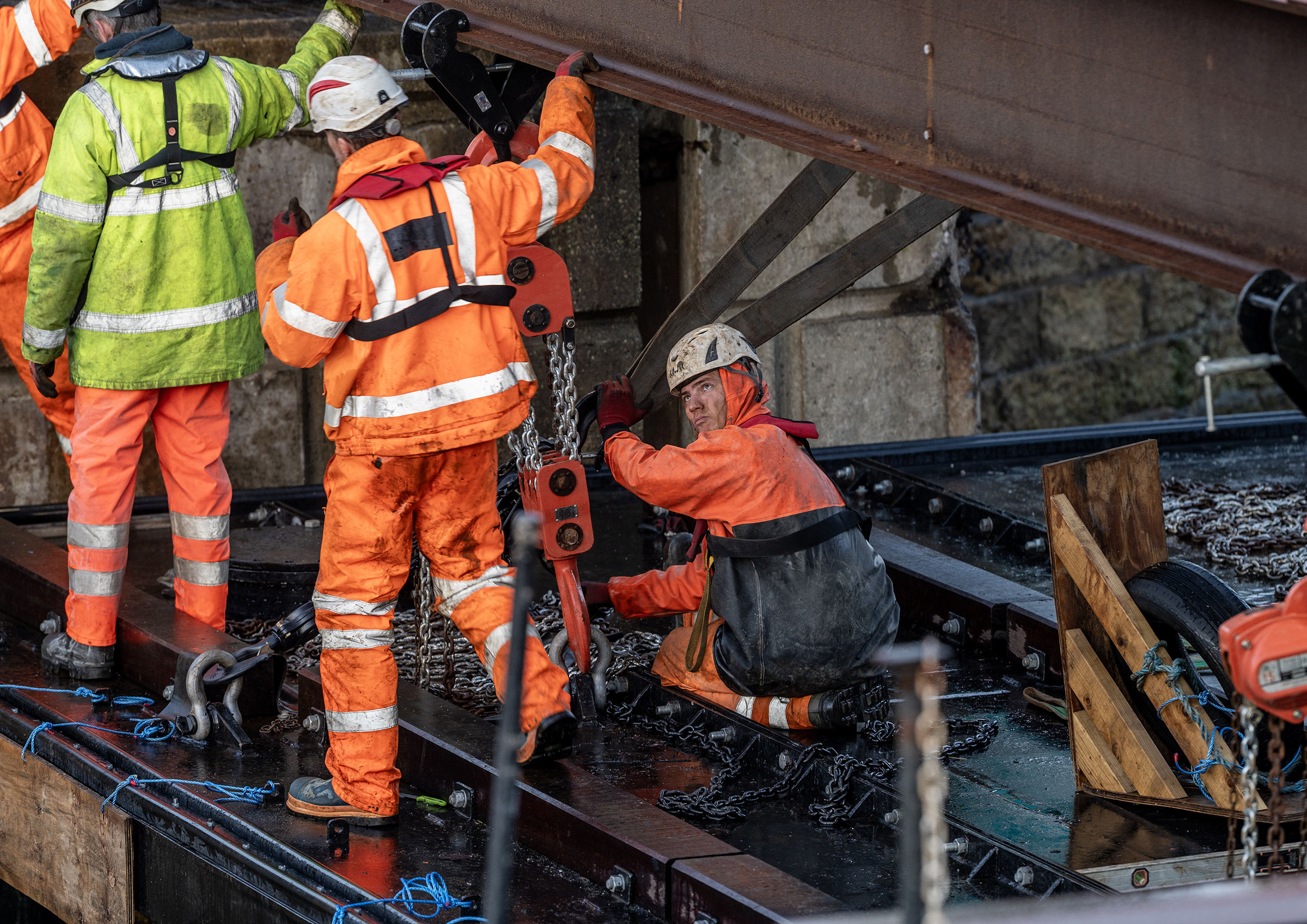
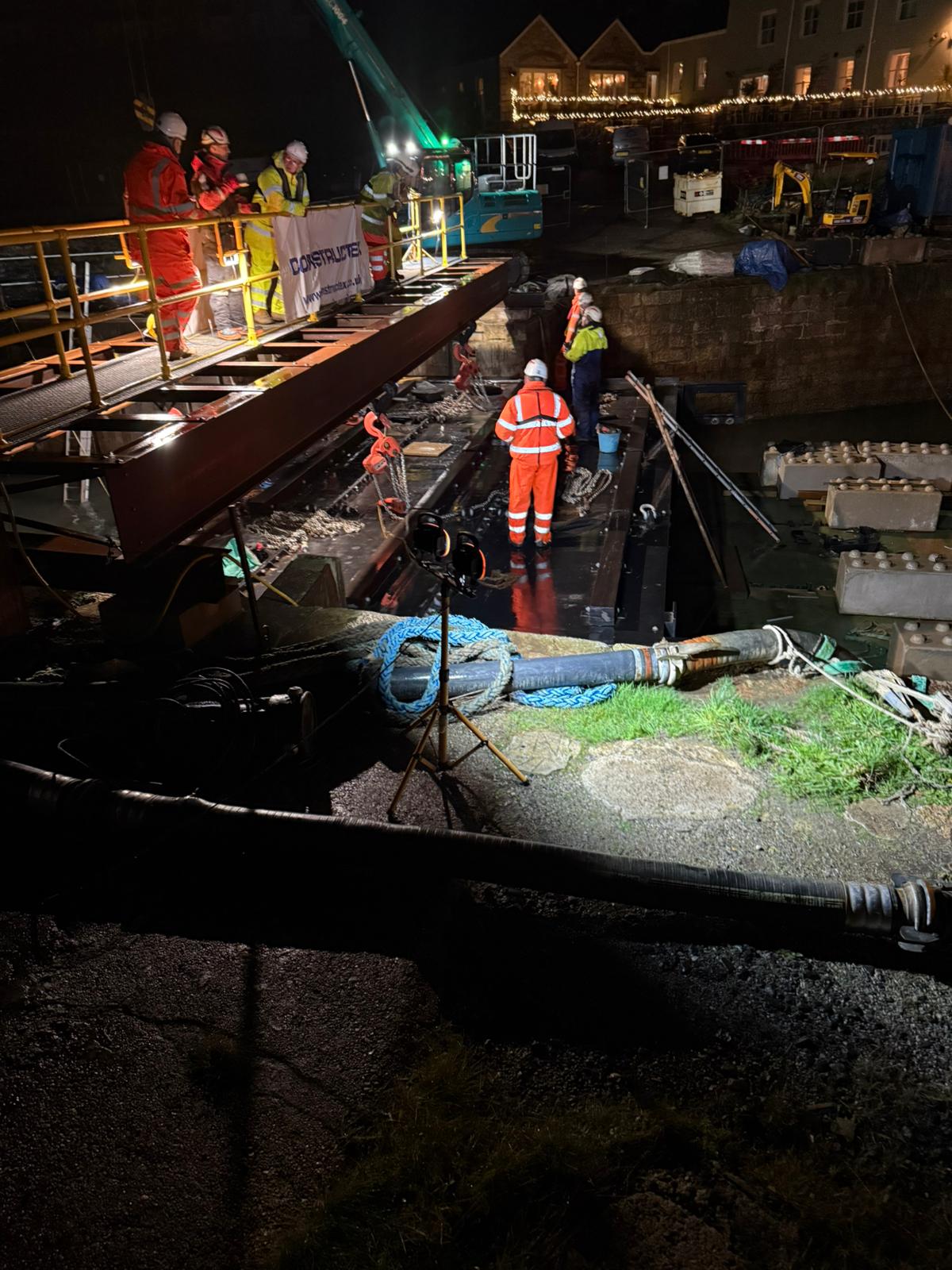
This is the third time the work has been scheduled, due to the calm, stable conditions required for safe and effective installation and testing. A date in October was postponed thanks to Storm Benjamin, which was forecast to bring strong winds and rough seas; and a spring tide is optimal for the 30-tonne gate (50 tonnes when filled with water) to be floated into position and lifted onto its bearings. Operatives began work at around 4am to make the most of the water, and at 10am are now bolting down the metallic mammoth as the tide recedes.



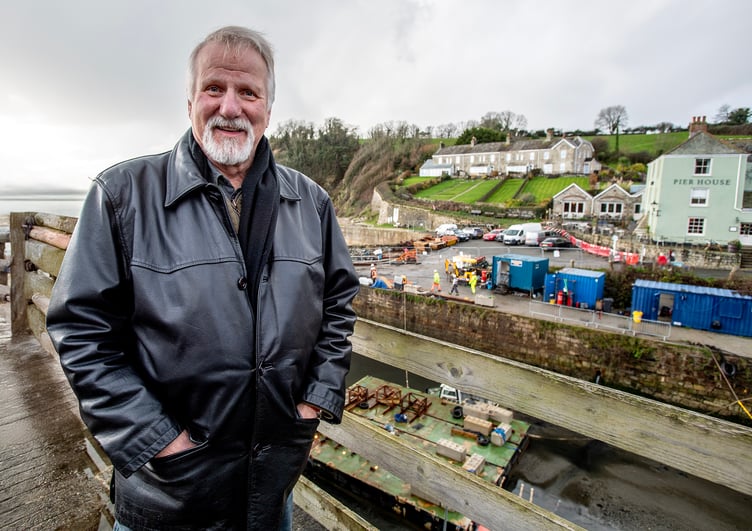
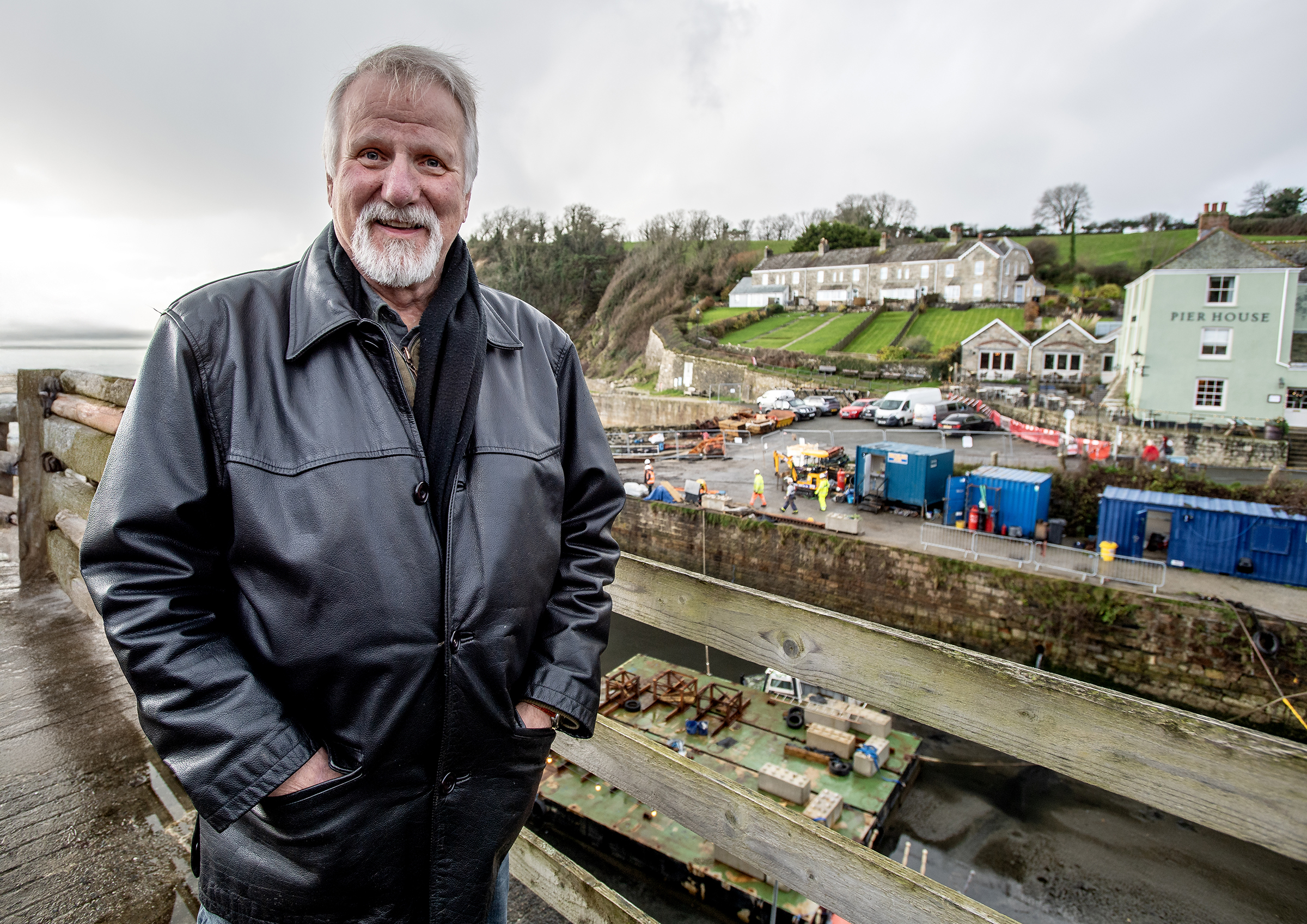
Harbour owner Rolf Munding is on site for the momentous occasion. “It’s the perfect day for it,” he says, with more than a hint of relief. “There’s no wind, no storms. It has taken a long time to get here, but that gate is going in that gap.”
The lock gate is a vital part of the Georgian harbour’s infrastructure. Its price tag: £2m, one of the largest single investments in Charlestown Harbour’s history, a combination of private investment by Charlestown Harbour Ltd and £656,047 from the government’s Shared Prosperity Fund, delivered by Cornwall Council.
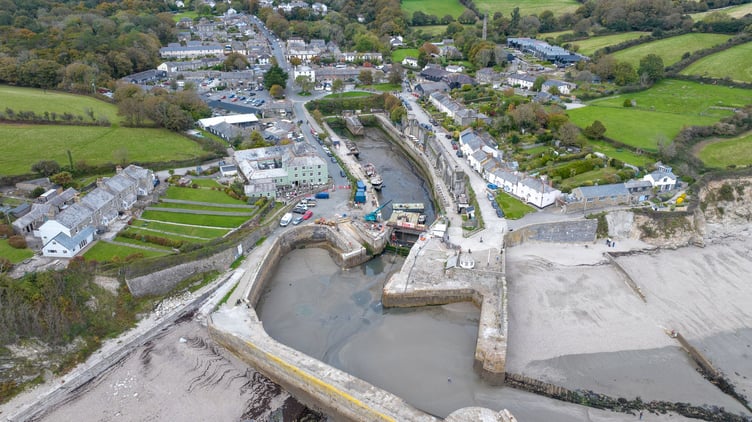
Once up and running, it will manage both vessel access and water levels, ensuring the basin is always full. The harbour became tidal when the previous gate was damaged, and the muddy harbour bed has been revealed at low water ever since, resulting in resident boats being evacuated and a reduction in the location’s visual appeal with a knock-on effect to local business.
It’s a far cry from when the small fishing hamlet of West Polmear was transformed in the 18th century. Charles Rashleigh hired civil engineer John Smeaton (of the tower on Plymouth Hoe) to design the harbour that would bear his name; construction began in 1790, and the port became crucial for exporting tin and china clay and importing coal.
When the harbour closed to commercial traffic in 1999, it leaned into its heritage role, attracting tourists and film crews - most notably standing in for Truro in the most recent BBC adaptation of Poldark.
Mr Munding bought it in 2018, with the ambition of starting a biannual maritime festival in collaboration with a similar event with the Breton town of Douarnenez. Sadly, it was not to be plain sailing. “We managed one, with 24 classic boats, in 2019,” he recalls. “After that: total misery.”
First came the weather; a storm smashed the outside wall to the tune of £1m, and destroyed the seals of the previous lock gate, meaning an expensive pumping system had to be employed to prevent the harbour from drying out. Then Covid 19 prevented many of the resident ships – and indeed village businesses – from making the money needed to keep the harbour afloat.
Last year’s damage to the gate was the straw that broke the camel’s back. However, Mr Munding is sanguine about the situation, pointing to some silver linings: “We were worried about the state of the inner walls, but this turned out to be unfounded; and the harbour got very silted up, but a major benefit is that it has effectively dredged itself.”
However, he adds: “Charlestown Harbour without boats is hardly Charlestown Harbour. The whole point of the harbour was to give a safe haven to the transport of copper and pilchards, and later china clay. Everyone would have been working around it, including ancillary trades like coopers and insurance agents; it would have been bustling with life.”
His ambition is to restore the harbour if not to its industrial heyday, then at least to the glory days of the tall ships. “Charlestown deserves to have its harbour back, and the new lock gate is key to that,” he says.
He is looking forward to bringing his own vessel – 1930s fishing vessel turned topsail schooner Anny of Charlestown, run for charter and day sails, events and overnight stays – returning from Fowey, before inviting back all the previous occupants to their refurbished “safe haven”.
There is still a fair bit of work to do before the gate is fully operational and boats can use the harbour. Rather than opening in the middle like a canal lock gate, the Charlestown version pivots to lie horizontal, enabling boats to pass over it. Like the gate, the winches needed to lower and lift it are being made bespoke, and won’t be ready until January, when they will be fitted in the small white hut on the harbourside.
These final steps will keep the project on track for full reopening in April 2026; a major celebration is planned, followed by a programme of events with the help of Porthmuer CIC.
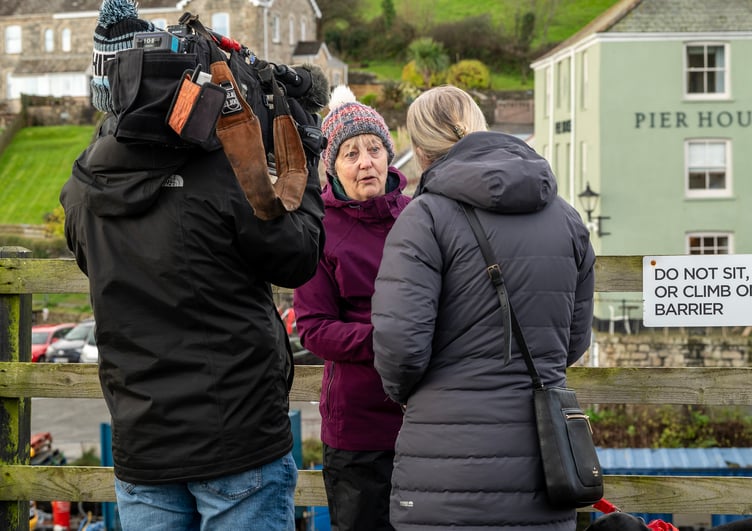
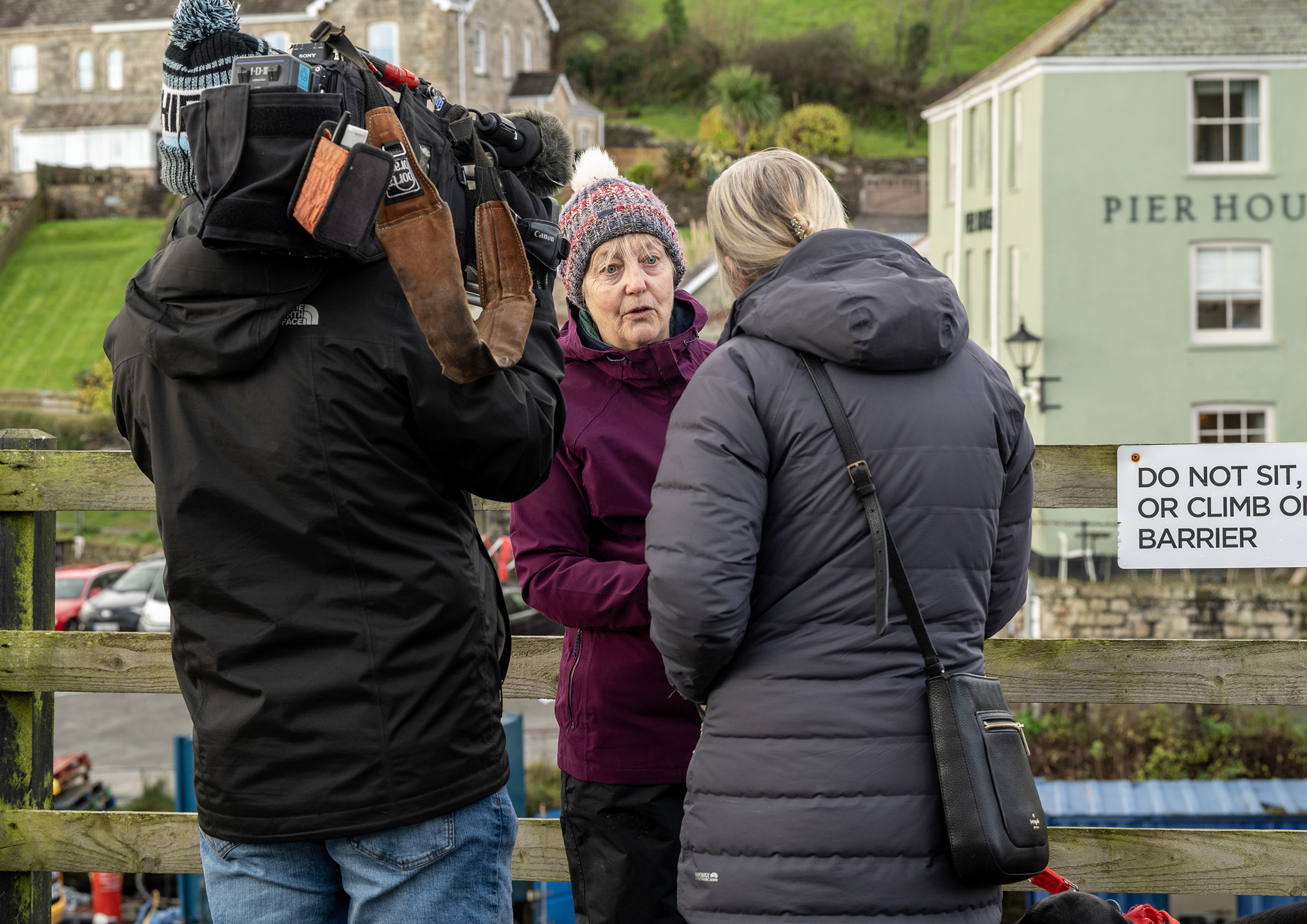
The locals can’t wait. A gaggle have gathered to watch proceedings, including Mount Charles resident Janet Pollard, who says: “It’s not before time.” She is looking forward to circular walks with her dog, crossing the lock gate bridge rather than circumnavigating the entire harbour. “It will just be nice to have a more direct route.”
In the meantime, the harbour will celebrate Christmas with markets and Santa’s Grotto, this weekend [December 6 and 7] and on Saturday December 20 and 21 from 10am to 4pm.
It’s a sign that this much-loved location is on the road to recovery. “The harbour has been a real labour of love, an emotional rollercoaster at times and an enormous investment, but I’m incredibly proud that we’re now able to restore it to a fully functioning port and secure its future,” says Mr Munding.
Comments
This article has no comments yet. Be the first to leave a comment.