
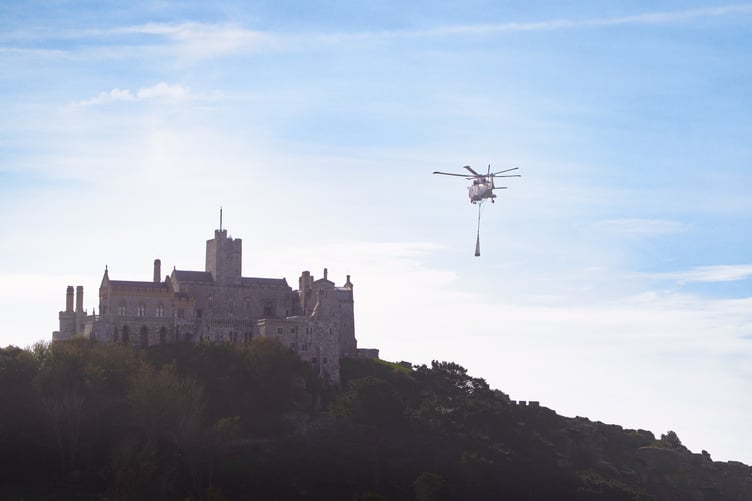
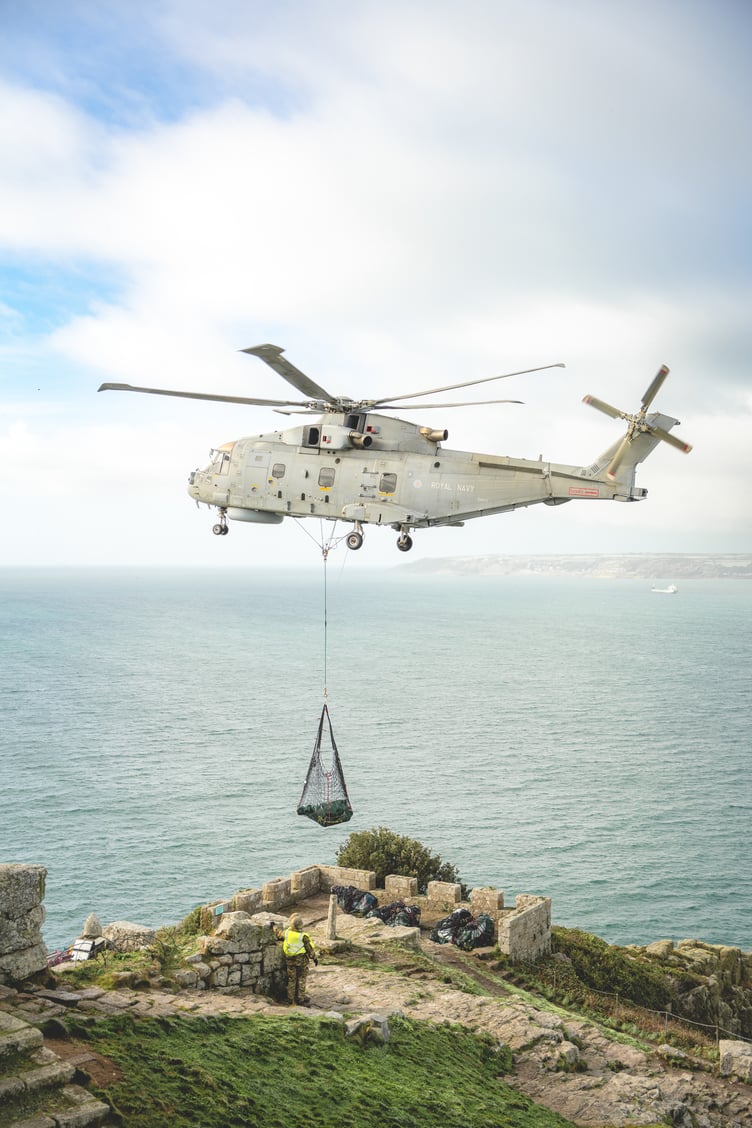
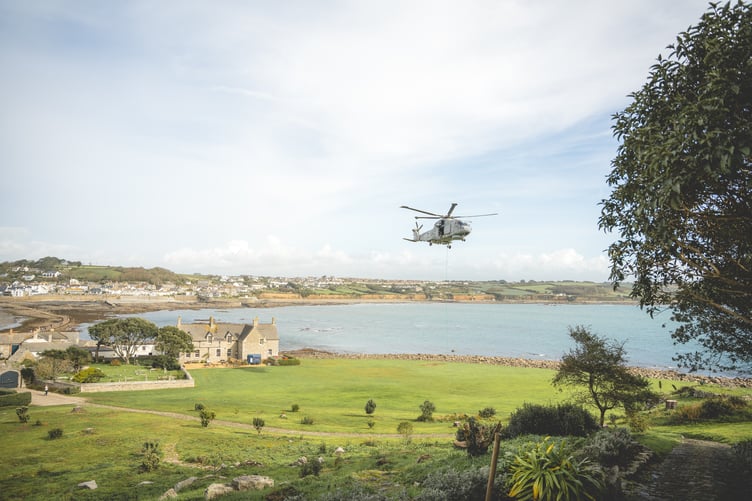
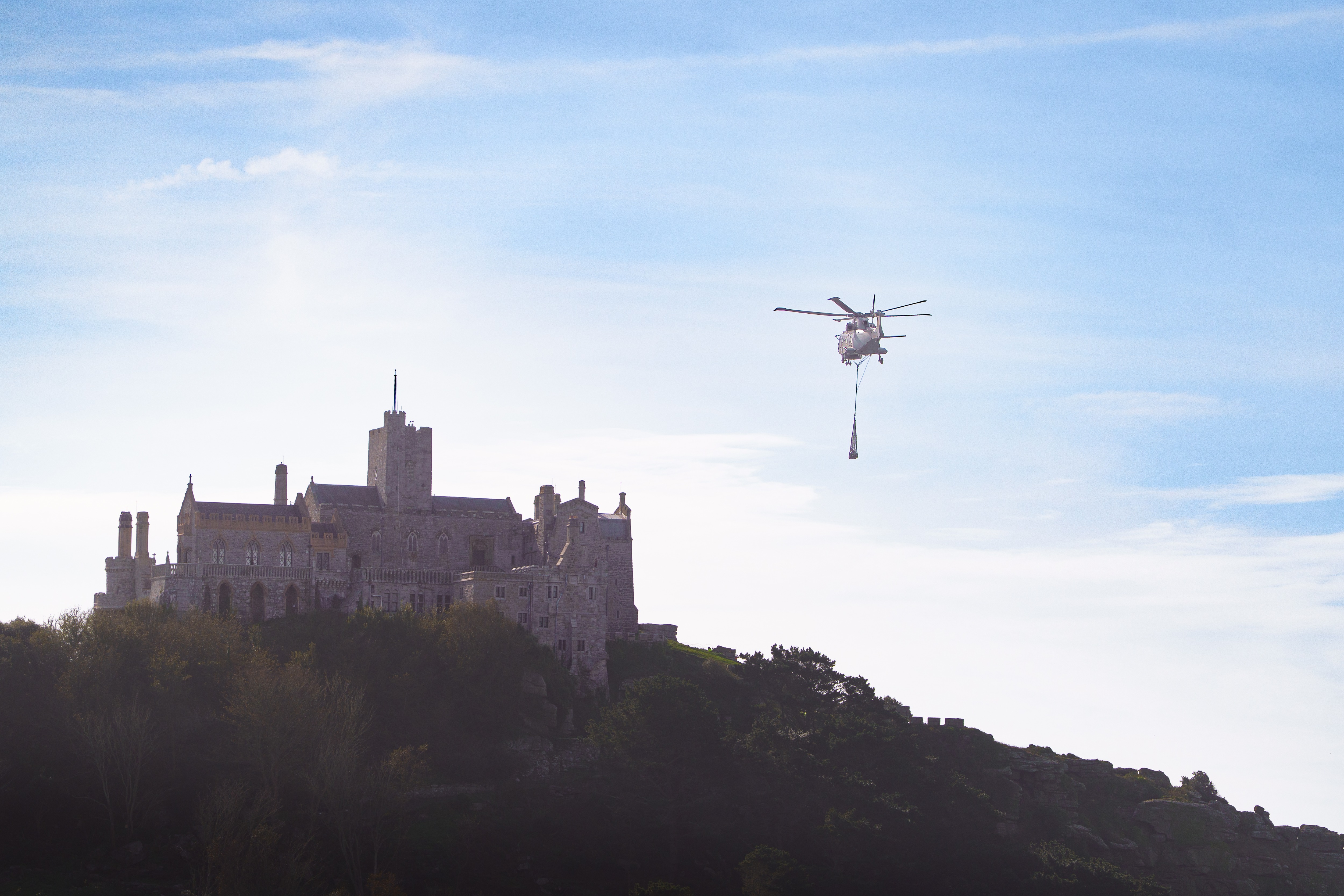
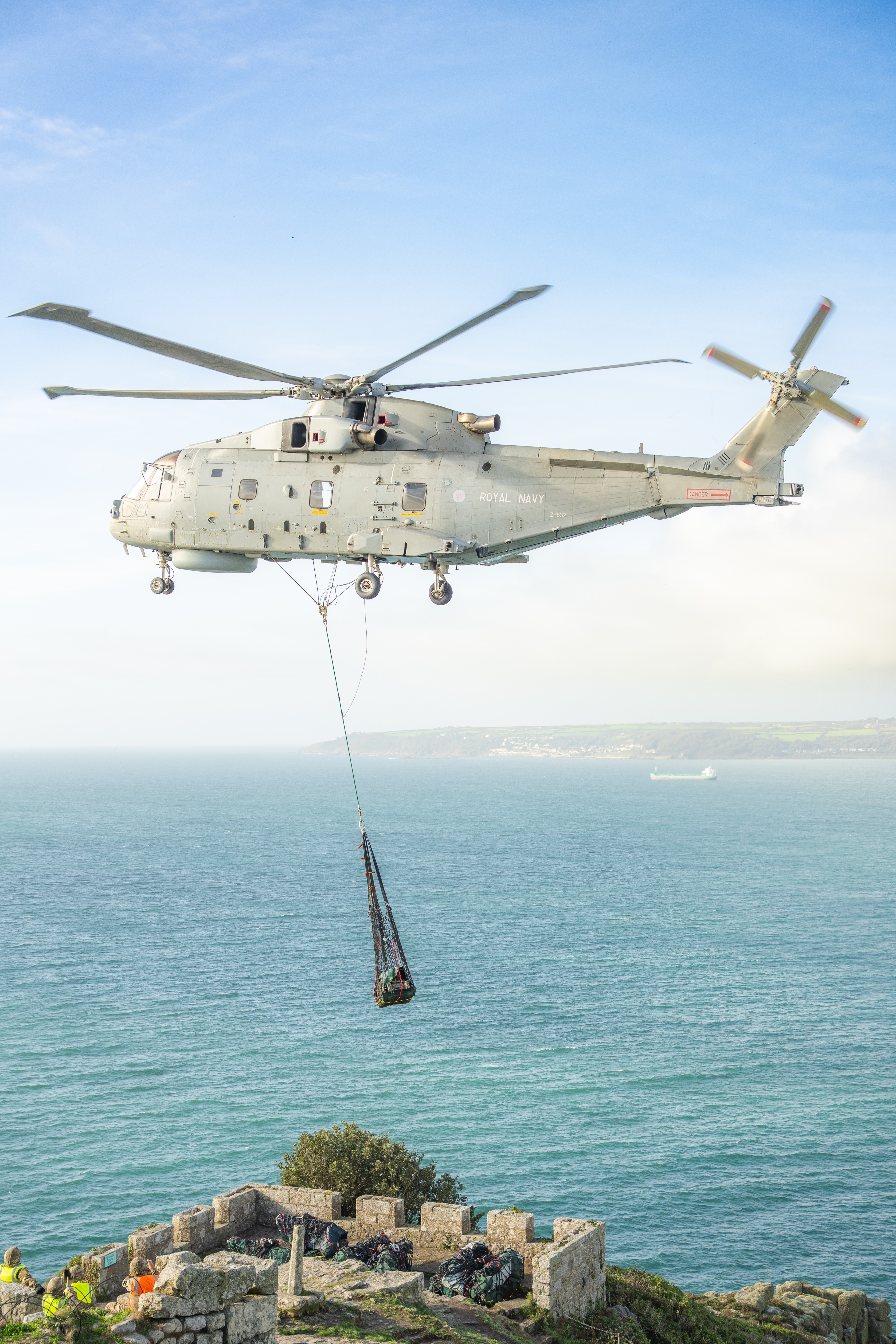
EIGHTEEN historic cannons have been airlifted from one of Cornwall’s most recognisable tourist attractions by the Royal Navy.
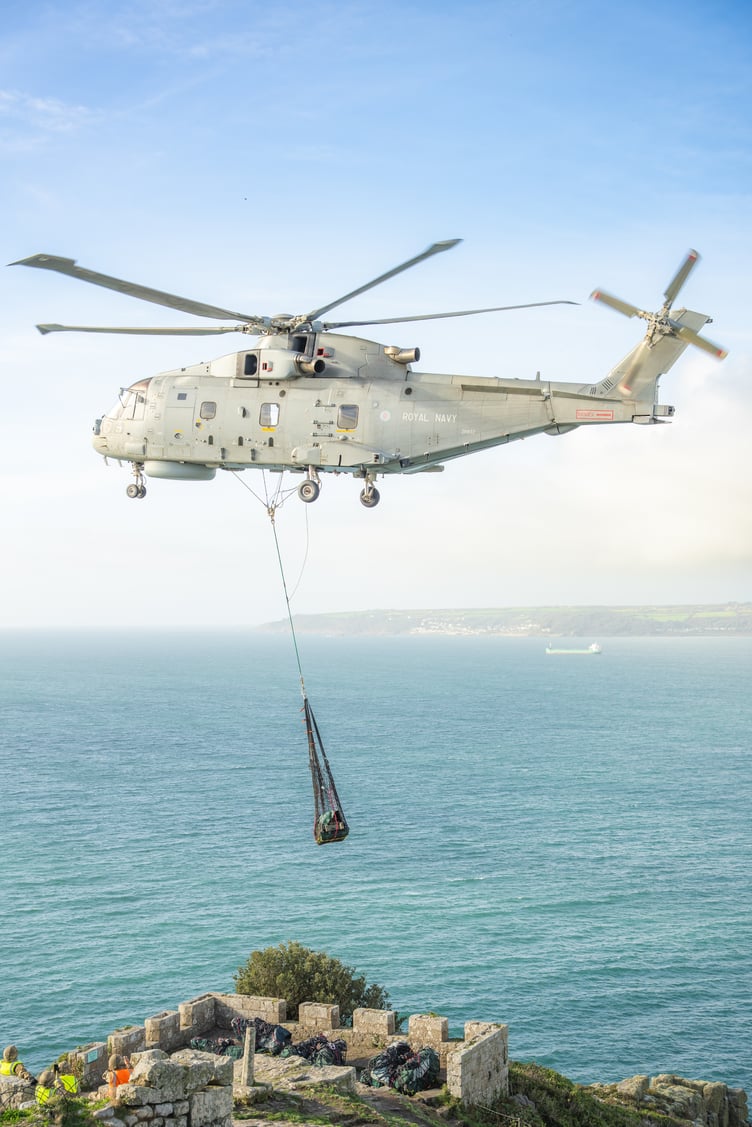
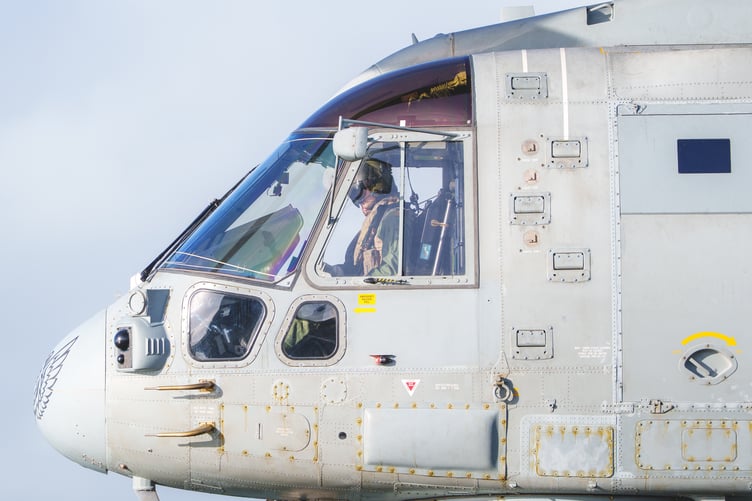
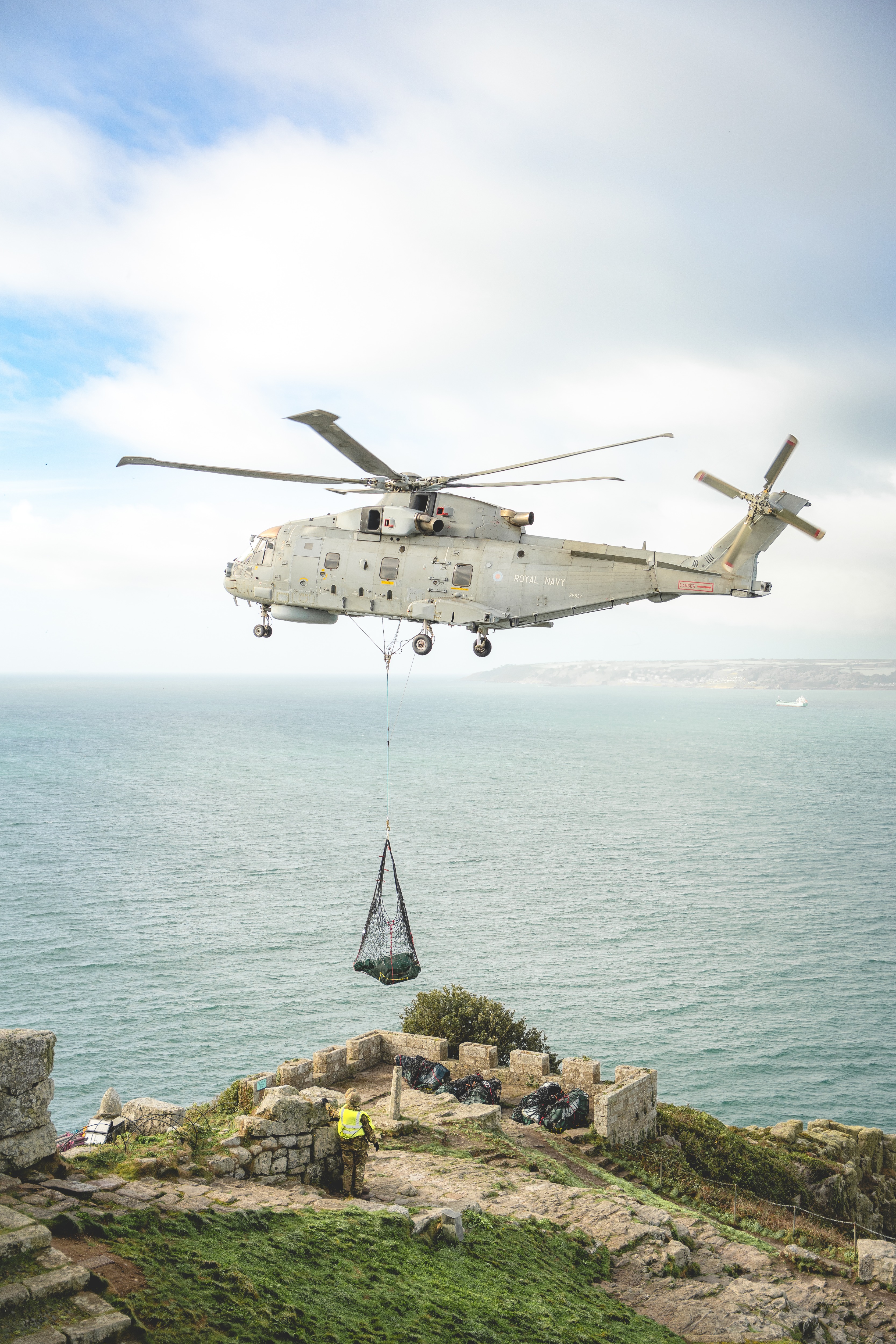
Moving the heavy iron cannons, some weighing up to half a ton, from the tidal island of St Michael’s Mount was proving troublesome for staff. Stepping up to the challenge was a crew from nearby Royal Naval Air Station (RNAS) Culdrose, who could carry each cannon slung underneath a Merlin Mk2 helicopter.
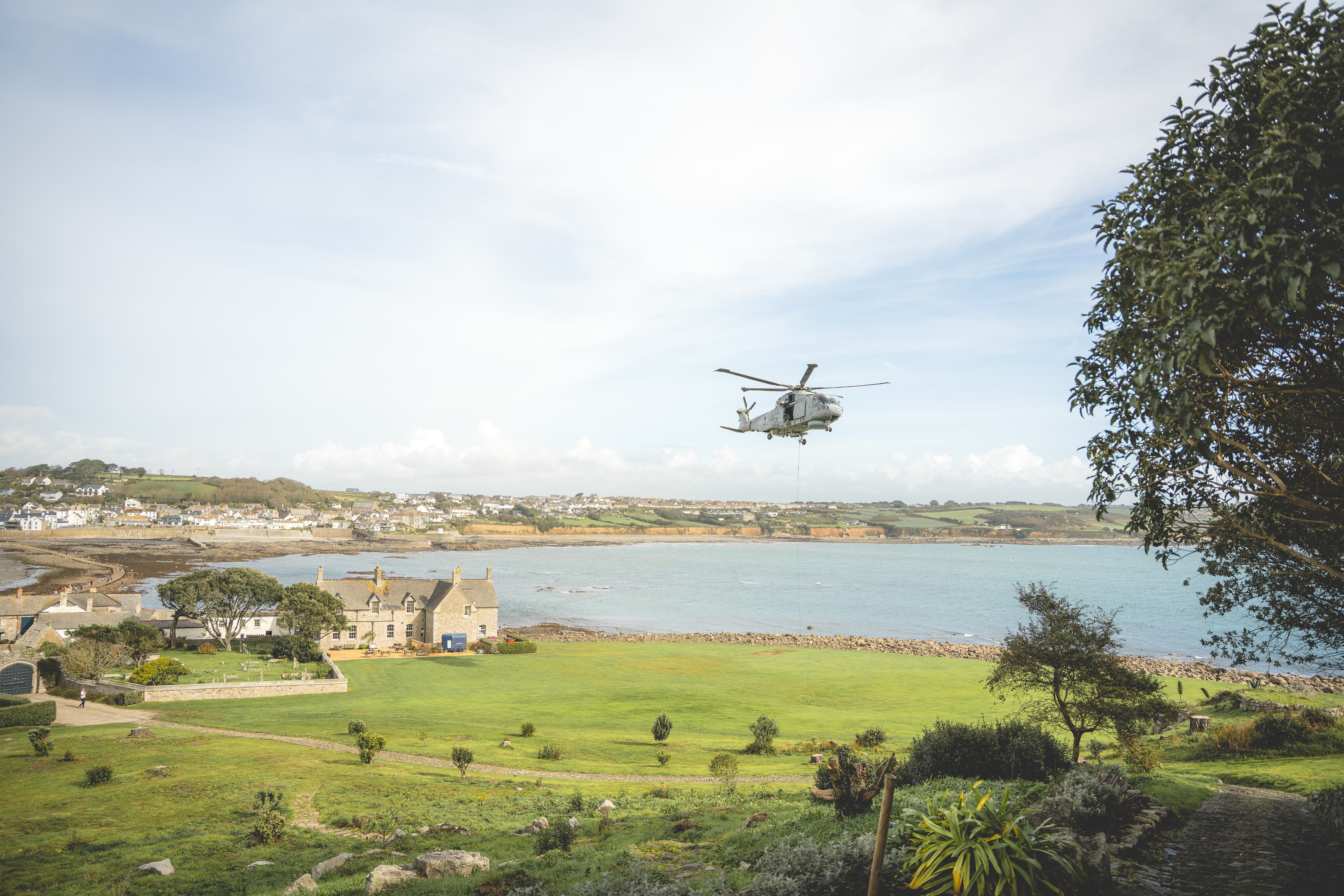
In a carefully planned operation yesterday (Wednesday, October 14), the precious artillery pieces were ferried one at a time across the sea to the mainland, where they could be transported by road for specialist restoration at Dorothea Restorations in Bristol, after which they will be returned to their positions.
The Mount is managed by St Aubyn Estates in partnership with the National Trust, which is financing the restoration from funds reserved for this purpose.
Henry Mathews, Head of Land and Property at St Aubyn Estates, said: “These cannons are an important part of St Michael’s Mount’s story. Their removal is the first step in specialist work to conserve them for the future, and we are grateful to the Royal Navy for its support.”
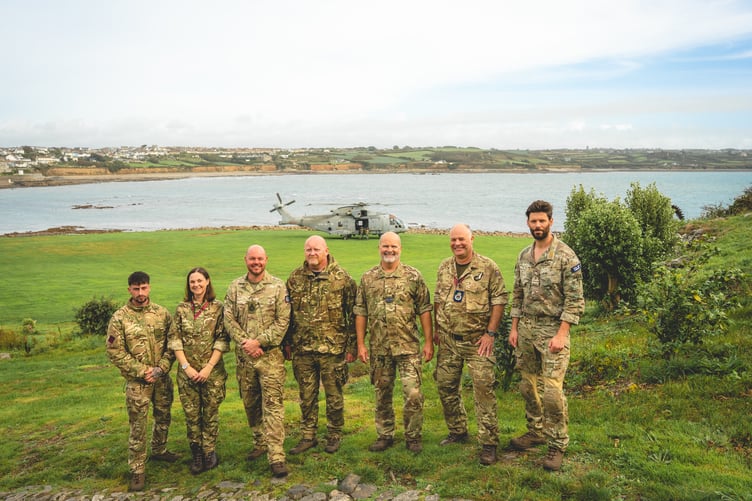
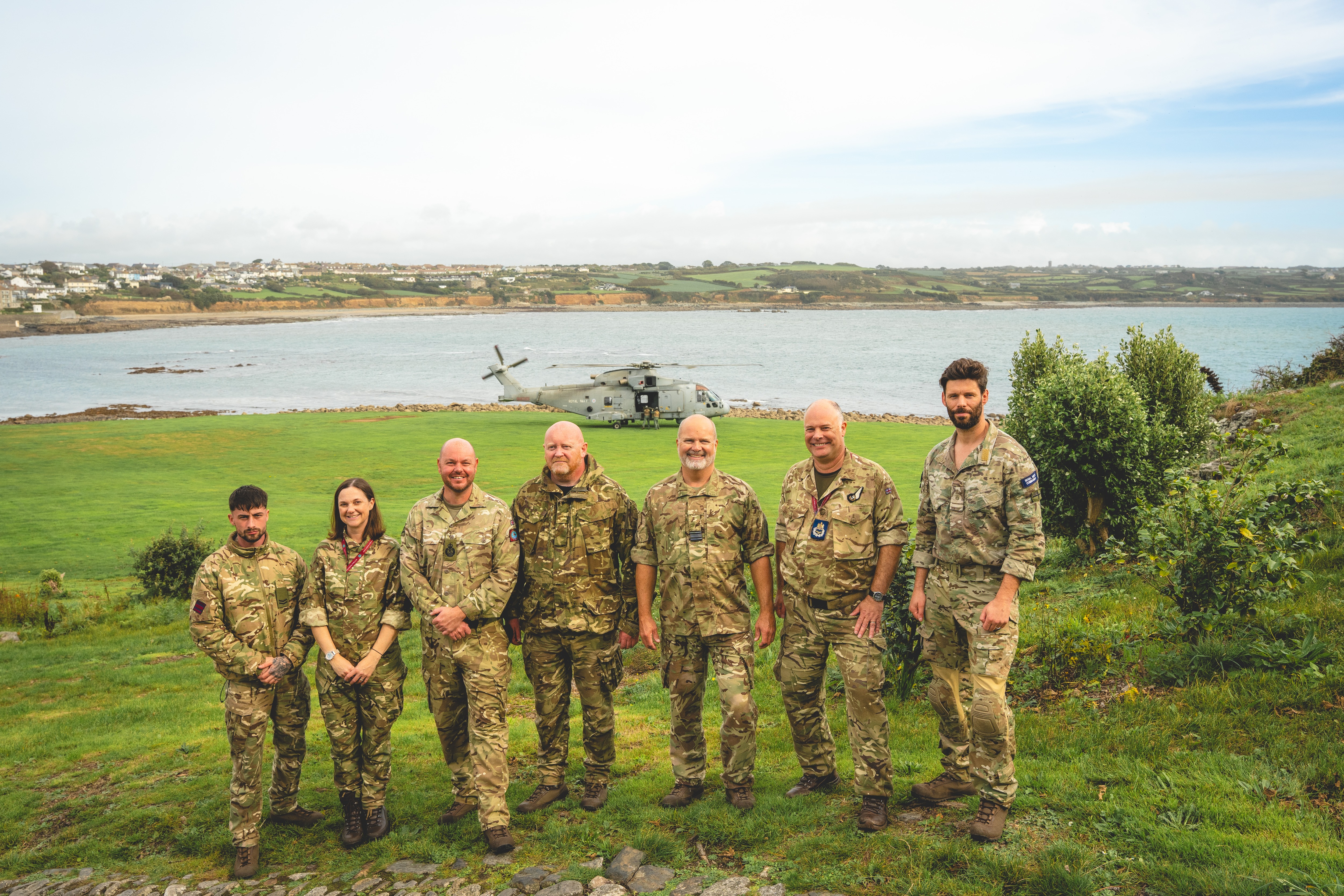
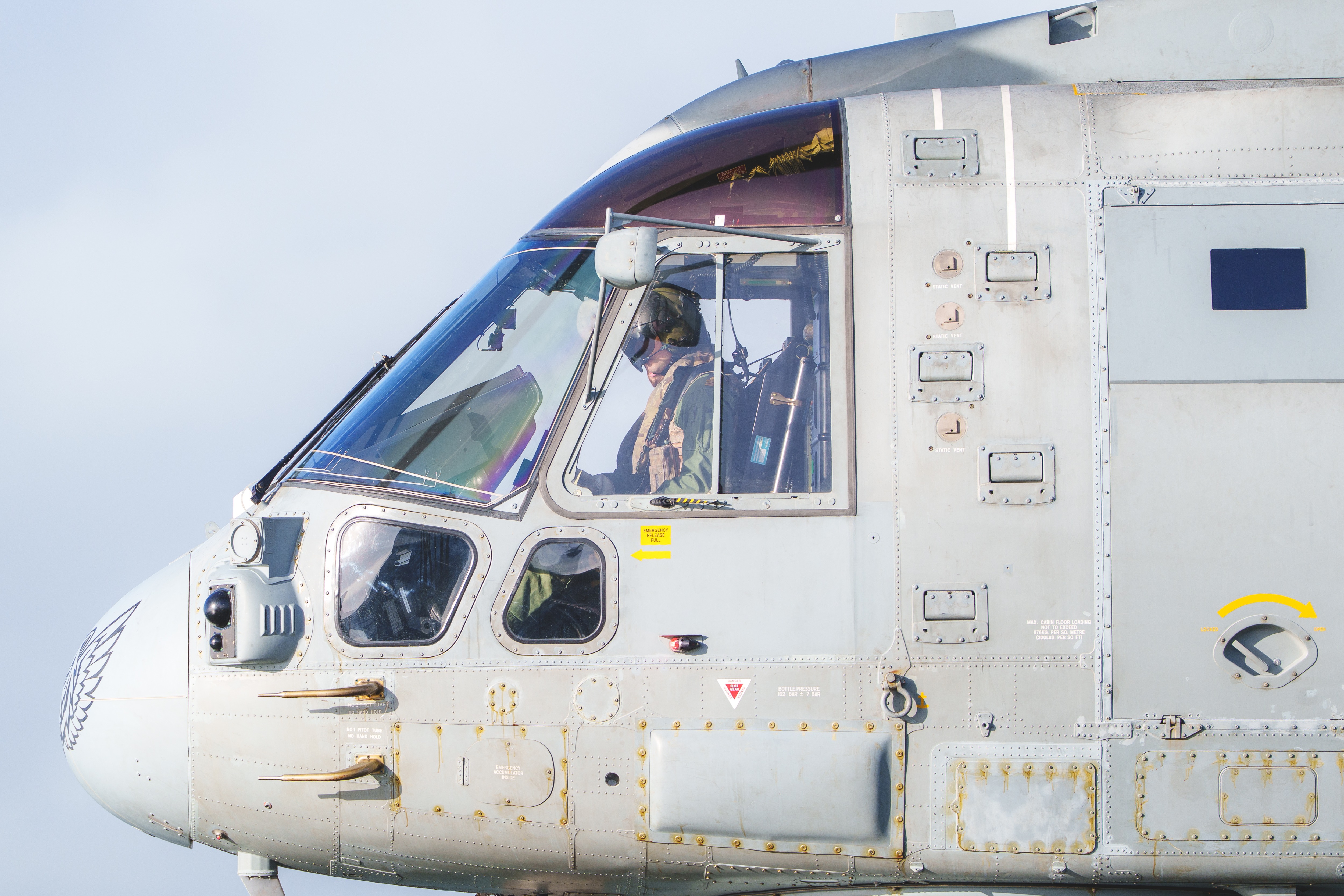
The challenge of lifting them from the island’s castle to Folly Field Car Park in Marazion fell to the crew of Atlantic Flight, part of the Navy’s 814 Naval Air Squadron, nicknamed The Flying Tigers. The operation was managed with controlled exclusion zones and approved viewing areas.
Commanding officer Cdr Ben Kerley said: “Transferring stores or equipment between ships or from ship-to-shore is one of the core capabilities of the Merlin helicopter. It is something our crews regularly practise at Culdrose, so to carry out this exercise in a realistic setting has been a real benefit as they prepare for operational service. It also supports the preservation of this important historic collection.”
Cdr Kerley thanked Penzance Helicopters for the use of its helipad as a base for refuelling during the exercise.



Atlantic Flight is currently in its working-up period before deploying to a Royal Navy frigate later this year to protect UK waters and carry out anti-submarine warfare patrols in the North Atlantic.
Initial examination suggests all the cannons are English. The crests on three of the guns appear to be from the reign of King George II (1727 to 1760). The cannons have been painted in the past, but where the paint has failed, salt spray has caused them to rust. Most of the guns appear to have corroded over the centuries before previous protective layers were applied.
The exercise to move the guns was dubbed Cormoran’s Throw, in honour of the legendary giant who is said to have created the Mount. The story goes that Cormoran and fellow giant Trecobben, of Trencrom near St Ives, used to hurl massive boulders at each other for fun.
Comments
We've recently changed our login process. If you have an account for commenting, you will need to re-register on the login window.
This article has no comments yet. Be the first to leave a comment.