
.jpeg?width=752&height=500&crop=752:500)
A ROYAL Marine veteran living near St Austell has spoken of a largely forgotten conflict he was involved in six decades ago.
Captain Stephen Weall, 82, has taken part in a new national project to film first-hand testimonies from the Aden Emergency (1963-1967), one of Britain’s final conflicts of decolonisation.
He believes the Aden Emergency has faded from public memory partly because it sits uneasily with national pride and did little to change the course of world events. More than 90 British military personnel were killed and over 500 wounded.
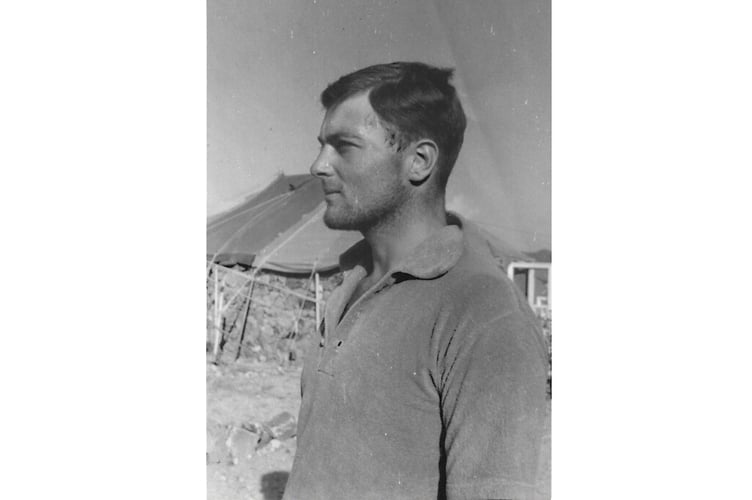

Capt Weall, who served as British rule in the territory at the southern tip of the Arabian Peninsula came under attack from nationalist groups, said: “It wasn’t one of our proud moments like the Falklands. People did their jobs, they cared for each other and looked after each other in really unpleasant conditions. But in terms of history, their losses had no real influence on what happened later. They were needless sacrifices, and I think government memory prefers to play that down.”
Capt Weall served in operations in mountainous areas in the early part of the conflict and later returned to Aden to help manage the British withdrawal, which he thought felt less like a neat end to a mission and more like a scramble.
He said: “One of the hardest tasks was administering the official cash payments to long-serving local and Sudanese employees as part of the withdrawal plan. The policy required wages to be issued in cash, and in the chaos of the final days many workers were robbed as soon as they stepped outside. In hindsight, it should and could have been handled differently. It was a shameful episode.”
Capt Weall went on to serve in Northern Ireland. His filmed interview will form part of a project from the Legasee Educational Trust.
Comments
This article has no comments yet. Be the first to leave a comment.