
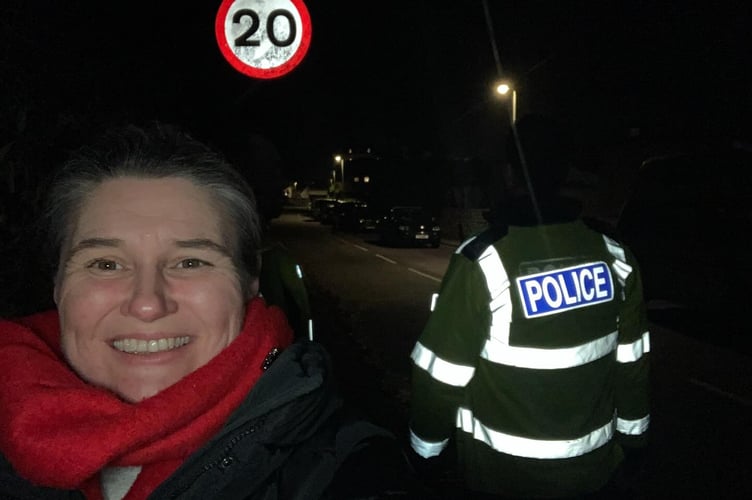
NEW policing reforms have been welcomed by Truro’s MP.
MP Jayne Kirkham said measures announced by the Home Secretary will help tackle rising crime, speed up police response times and rebuild neighbourhood policing.
Officers will be expected to answer 999 calls within 10 seconds and reach serious incidents within 20 minutes in rural communities. Forces that fail to meet these standards will face direct intervention, including specialist turnaround teams sent in by the Home Secretary.
With around 90 per cent of crime now leaving a digital footprint, police forces will recruit more crime analysts, cyber investigators and digital forensics specialists to help track down fraudsters, online abusers and organised criminal networks.



The reforms will also aim to remove unnecessary bureaucracy, putting more officers back on the streets while ensuring forces have the skills needed to uncover evidence on phones and laptops, securing more convictions for serious crimes such as fraud, child sexual abuse and organised crime.
Every council ward will have named, contactable neighbourhood officers, with residents guaranteed a response to local concerns within 72 hours. A new National Police Service will take responsibility for tackling serious and organised crime such as terrorism, fraud and online abuse, freeing up local officers to focus on everyday crimes like shoplifting, antisocial behaviour and street theft.
Local forces will also be held to clear national standards on neighbourhood policing levels, response times and crime outcomes, with results published so the public can see how their force is performing.
“In Truro and Falmouth, people want to see officers on the streets and know that help will arrive quickly when they call,” said Ms Kirkham. “These changes will make our streets safer.
“It’s also important our police are better equipped to tackle crime both on our streets and online. By modernising and using stronger digital skills, we can fight crime more effectively.”
Comments
This article has no comments yet. Be the first to leave a comment.