
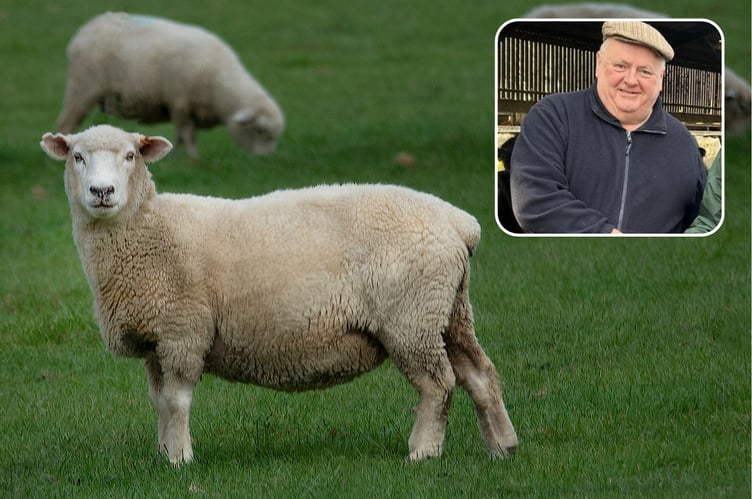
A COUNCILLOR from Cornwall has called for farmers to be allowed to dispose of their dead livestock on their land amid rising concern surrounding Bluetongue.
Across the South West, there is a growing concern among local farmers, that the spread of the disease Bluetongue could be detrimental to their livestock and the community.
Bluetongue is a non-contagious, viral disease affecting domestic and wild ruminants and camelids, which is transmitted by biting midges, and seems to be spreading across the region.
For farmers, the main concern surrounds the infection of cattle and sheep, something which can cause lameness, abortions, and fever among other issues.
However, of most concern, the disease can result in fatalities among animals - something which is causing alarm for the region’s farmers.
The impact of the disease is not simply about fatalities however, it is also being felt financially, with the cost of vaccination, the potential loss of livestock, and the subsequent disposal costs. As a result, Marhamchurch and Poundstock Parish Councillor, Tom O’Sullivan - who has also worked as a vet - has called for a change in how farmers are allowed to dispose of animals killed by the disease.
He said: “The sudden explosive outbreak of Bluetongue is having a very challenging impact on the farming community emotionally as well as financially.One aspect of this which is adding insult injury is the fact that when farmers lose an average ewe worth approximately £200, they then have to pay £30 to have it picked up and disposed of in compliance with The Animal By-Products (Enforcement) (England) Regulations 2013.”
As it stands, if livestock dies on a farm, it must be collected, identified and transported from the farm without ‘undue delay’. Farmers must not burn or bury fallen stock on their farm.
“It is perhaps also worth noting that a typical 80kg mature sheep carcass holds roughly 20kg of elemental carbon and a further 12kg on average is required to incinerate it,” continued Cllr O’Sullivan.
“When you add to this the carbon cost of collecting the carcass and transporting to an incinerator facility, clearly the carbon footprint is adversely impacted even more.

.jpeg?width=209&height=140&crop=209:145,smart&quality=75)

“Therefore it would seem reasonable to me from several aspects that the on-farm burial of fallen livestock should be resumed.”
Comments
This article has no comments yet. Be the first to leave a comment.