
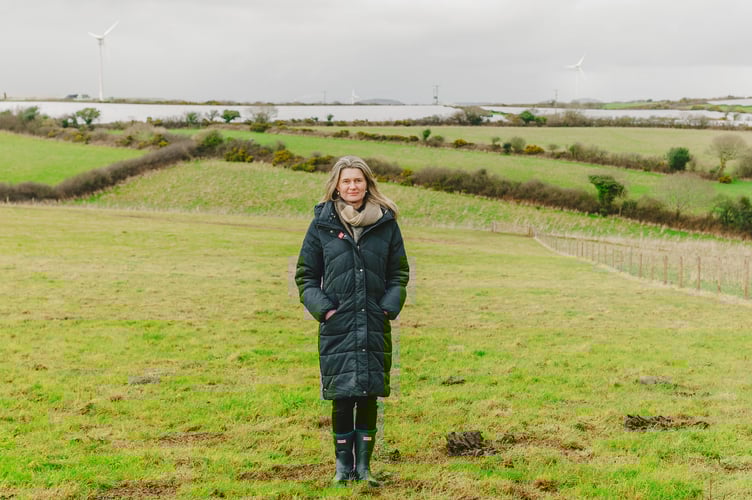
A national strategy to tackle rural inequality would make a real difference to Cornwall, according to one of its MPs.
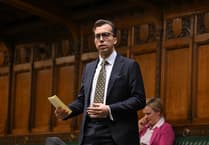
Jayne Kirkham, MP for Truro and Falmouth and a member of the Labour Rural Research Group (LRRG), was commenting on the publication of its Rural Poverty in Britain report which identifies a “rural penalty” causing affected households to spend hundreds - and often thousands - more annually on transport, food and energy simply to reach a basic standard of living.
Nearly 9.5-million people live in rural England — yet poverty in the countryside is routinely underestimated, underfunded and structurally overlooked, according to the report.
Drawing on evidence from councils, NHS bodies, charities, rural businesses and resident focus groups, it finds a consistent pattern: rural households are expected to travel further, pay more and rely on fewer alternatives, yet national funding and service models continue to assume urban density, economies of scale and proximity to services.
As such, rural poverty is more about isolation from systems than places. Unreliable transport, overstretched health services and thinning education pathways were seen as mutually reinforcing negative pressures, creating a persistent sense that rural living demands more from households while offering less support in return.
Key findings show that rural households spend £39 more on transport and £6 more on food per week than their urban counterparts. Rural authorities delivered just 17,506 affordable homes in 2024/25, compared with 47,256 in urban areas; and average rural broadband speeds (51 Mb/s) fall well below urban averages (84 Mb/s), despite residents relying on digital alternatives when physical services are withdrawn.
The average rural fuel bills stand at £2,740, compared with £1,978 in London. The report claims the war in the Middle East is hitting rural areas hardest, due to the rising cost of petrol and domestic heating oil, with many rural homes off-grid and not protected by Ofgem’s energy price cap.
The report calls for a comprehensive rural strategy, placing social and economic mobility at its heart and reforming how government measures, funds and delivers services in rural Britain.
Ms Kirkham said the report offered “an important insight” into the challenges faced by places like Cornwall. “Being both a rural and coastal region, we often experience hidden costs and underfunding, or what the LRRG coined ‘Rural Penalty.’ I joined the LRRG because I want to make sure rural communities are heard at the heart of government.”
She was “pleased” to see government measures including the recently announced Local Power Plan to support community-led energy; secured funding to map better rural bus routes in Cornwall; and specialist health care in the community, and training for specialist doctors in rural places that face gaps in health provision.
“But we need to go further and faster,” she added. “This report makes a strong case for a rural strategy, one that tackles rural poverty and responds to the growing off‑grid energy crisis facing many rural communities.”
Comments
This article has no comments yet. Be the first to leave a comment.