
CORNWALL and the Isles of Scilly have been shaken by the extreme nature of Storm Goretti. While some were safely indoors, others faced danger, property damage, and days without water, power, or communications. Tragically, there has been loss of life, severe damage to homes, and vulnerable people left isolated without support. Businesses have suffered, schools have closed, and communities have endured days of disruption.
Our frontline workers have been under extraordinary pressure, and I want to thank our emergency services, utility teams, volunteers, and everyone who looked after their neighbours and responded so brilliantly. This storm tested the resilience of rural and coastal Britain to its limits and exposed weaknesses in our infrastructure and emergency planning that could affect any part of the country. I am immensely proud of the way Cornwall came together in the face of adversity.
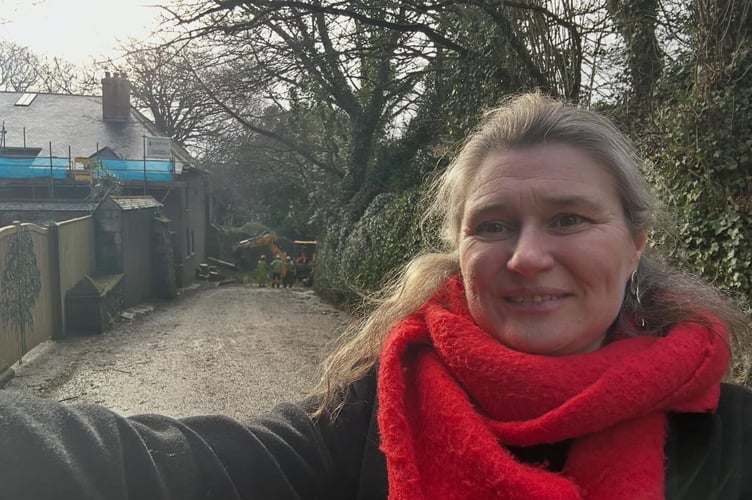
Once the storm passed, I travelled across the constituency to support wherever possible and was shocked by the scale of the damage: roads blocked, vehicles and buildings crushed, thousands of trees brought down (many entangled with power cables), and debris scattered everywhere.
In hindsight, it’s easy to question decisions, but few could have anticipated the storm’s intensity. The Met Office warning escalated from yellow to red in a very short timeframe. Some have asked whether a national emergency should have been declared, but it is unclear how much additional benefit that would have brought beyond the action already underway. National media coverage did not reflect the full scale of what Cornwall faced, yet behind the scenes, significant work was underway.


Once risks became clear, the Cabinet Office issued an Emergency Alert, used only when there is an immediate danger to life. The Energy Minister was kept updated as thousands lost power and provided support to resolve issues. On January 11, the government convened an emergency meeting with MPs, ministers, and service providers to accelerate assistance.
National support was offered, and teams worked around the clock with local authorities, engineers, and emergency responders to restore essential services. An additional 450 specialist staff and tree surgery crews were deployed to support clean-up and reconnection efforts, based on Cornwall’s assessment of need and further teams came down from Wales at the start of this week. No.10 issued further updates on January 12, and Parliament held an urgent question on the response to Storm Goretti, an important recognition of the severity of the crisis and the need to strengthen resilience in future.
I raised concerns about failures in connectivity. The shift to purely digital systems meant communications collapsed when the power went out, leaving some completely cut off. We need to consider long term backup options, including satellite-based systems, and improve priority services for vulnerable people. Currently, individuals must self register; in future, organisations such as the NHS should be able to make referrals automatically.
As recovery continues, there is much still to do. We must learn from this event so that, if storms of this magnitude happen again, we are better prepared to protect lives, maintain essential services, and keep people connected.
Comments
We've recently changed our login process. If you have an account for commenting, you will need to re-register on the login window.
This article has no comments yet. Be the first to leave a comment.