
THIS month, Christians across the globe are marking Lent – the season of preparation for Easter, writes Judith Field.
Many voluntarily give something up for 40 days, usually a treat like chocolate or wine; but how many of us would sign a pledge to give that treat up for ever?
That’s exactly what the worldwide Temperance Movement, from small beginnings 200 years ago, successfully persuaded millions of people to do. In England, it all began in Preston, Lancashire in 1832, when seven men signed a pledge to abstain from alcohol completely.
The movement spread like wildfire. That same year, three Temperance Societies were started at Truro, Bodmin and Falmouth, and by 1841 there were 50 societies and 70,000 members in Cornwall alone. What was it that made this radical movement such a success?



Victorian Britain was awash with alcohol. There were 100,000 beer houses by the end of the 1830s (10 times the figure for pubs-per-head today). Alcohol could be sold 24/7, to people of any age – indeed, it was served in hospitals and boarding schools.
Many people were paid their week’s wages – in cash - in a pub run by their own employer. The money went in one pocket, and out the other, heaping misery and often violence on the women and youngest children waiting hungry at home. Accidents caused by drunkenness were common.
Something had to be done, but what? Some argued it was an Englishman’s right to get drunk; others wanted alcohol banned altogether.
In between were moderate temperance supporters such as Tommy Agar-Robartes, the wealthy heir to Lanhydrock House, who was elected Liberal MP for St Austell in 1908. A social reformer on issues like unemployment and bad housing, he supported a Bill to force pubs to close on Sundays – something hard to imagine today, but which reflected decades of success for the temperance campaign.
In Cornwall, temperance was a natural soulmate for Methodism and Liberal politics. Abstaining from alcohol was promoted vigorously as a way to keep money in your pocket, protect your health and get ahead in life.
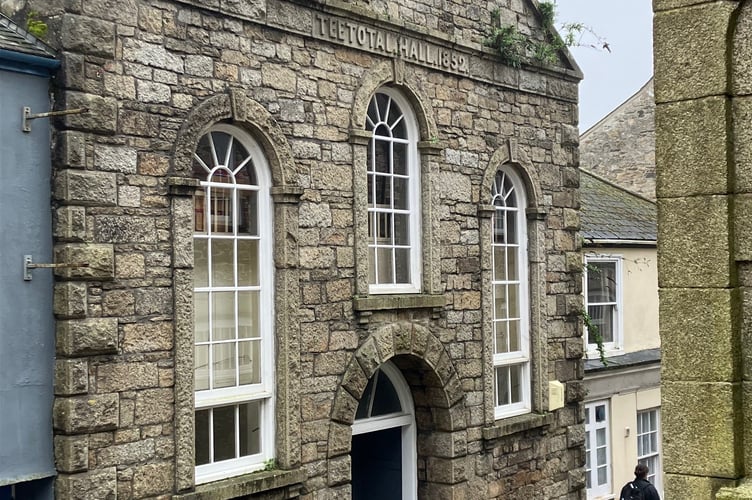
To meet the need for alcohol-free places to socialise, the first Temperance Hall was built in Liskeard in January 1840. Soon they spread across Cornwall – Teetotal Hall in Penryn being a good example. Coffee houses and teashops sprang up, as did Temperance Hotels and alcohol-free pubs. And in a country without free schooling, Temperance Societies provided night classes to learn to read and write.
The alcohol industry hit back, accusing the temperance campaigners of extremism and using political influencers to block their campaign in Parliament. Opposing them were many Cornish MPs like Tommy Agar-Robartes.
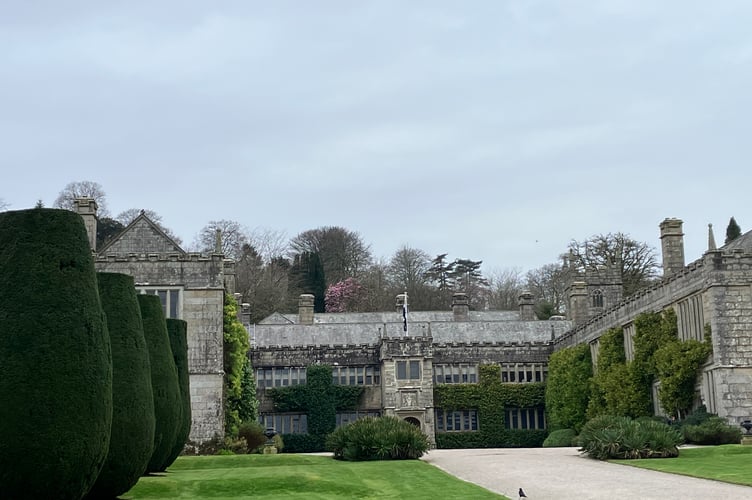
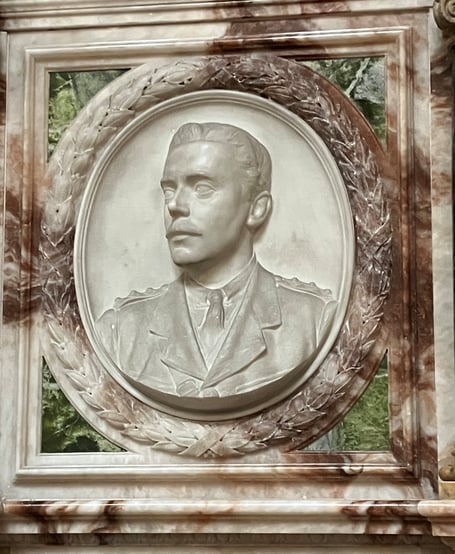
Tragically, Tommy was shot by a sniper during the Battle of Loos in 1915 (one of over 20 MPs killed on active service in the First World War). Aged only 35, he died after rescuing a wounded comrade under heavy fire. You might know his name from exhibits at Lanhydrock, but his marble memorial is, deservedly, one of the finest in Truro Cathedral (open daily for visiting).
Comments
This article has no comments yet. Be the first to leave a comment.