
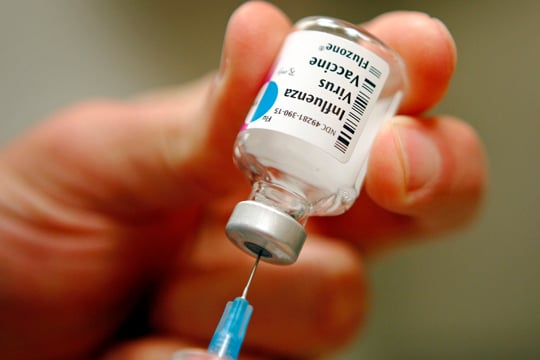
CORNWALL’S NHS is calling for everyone to do their bit to keep communities safe this Christmas.
With winter bugs such as flu on the increase, NHS Cornwall and Isles of Scilly Integrated Care Board (ICB) is urging local people to take simple steps to protect themselves and others from seasonal illnesses.
Winter viruses such as flu, COVID-19, colds and coughs, and tummy bugs such as norovirus spread easily in colder months when we spend more time indoors.
Most of us will recover quickly with over-the-counter remedies and rest, but they can cause serious illness, particularly for older people, young children, and those with long-term health conditions.
By following a few key measures, everyone can help keep communities well.
Top tips to stay well and stop the spread:
- Get vaccinated: flu and COVID-19 vaccines are the best protection against severe illness. If you’re eligible, book your vaccination as soon as possible
- Stay home if you’re unwell: avoid visiting hospitals, care homes, or vulnerable people if you have symptoms of flu, COVID-19, or norovirus
- Practice good hygiene: wash your hands regularly with soap and water, especially after using the toilet and before eating. Hand sanitiser can help, but it’s not effective against norovirus
- Catch it, bin it, kill it: use tissues for coughs and sneezes, dispose of them quickly, and wash your hands
- Rest and recover: most winter illnesses can be managed at home with rest, fluids, and over-the-counter remedies such as paracetamol or ibuprofen.
Dr Chris Reid, chief medical officer for NHS Cornwall and Isles of Scilly ICB says: “The first important step to keeping well this winter is ensuring you take up the vaccinations that you are eligible for. They are offered every year on the NHS to help protect people at increased risk of complications from flu and COVID viruses.
“If you do become unwell, please stay at home and avoid contact with vulnerable people. Simple actions like handwashing and resting can make a big difference. By working together, we can reduce the spread of winter bugs and help protect our health services for those who need them most.”
Where to get help locally:
.jpg?width=209&height=140&crop=209:145,smart&quality=75)

- Pharmacies: local pharmacies are a great first port of call for medicines and advice. Find your nearest pharmacy and check opening times. Most can also offer advice and treatment for these minor conditions through the Pharmacy First service:
- NHS 111: if you’re unsure what care you need, call 111 or visit 111.nhs.uk for free advice 24/7, including for urgent dental treatment and mental health crisis support
- Minor injury units (MIUs): these can treat sprains, minor fractures, burns, cuts, bites, and infections – no appointment needed. Check live waiting times online before you go
- Urgent treatment centres: at West Cornwall Hospital in Penzance and the Dartmoor building at Derriford and Cumberland Centre in Plymouth for urgent but non-life-threatening conditions.
- Emergency department: for life-threatening emergencies (such as chest pain, stroke symptoms, severe bleeding) always call 999 or go to the nearest emergency department.
Comments
We've recently changed our login process. If you have an account for commenting, you will need to re-register on the login window.
This article has no comments yet. Be the first to leave a comment.