
Saturday, February 3, 1923
Penzance Rugby team defended their honour at home against visitors from Penryn – and although the home team took the lead at the beginning of the game, disappointment followed.
The initial success of the Penzance team prompted some over-enthusiastic attack, which led in turn to cautions from the referee. But after half-time, Penryn had the advantage of playing downhill. This, and the ‘cork-screw runs’ of their star player, brought them victory – and the appreciative applause of the large crowd watching the match.
Monday, February 5, 1923
There was some good news for shareholders at the annual meeting of the Penzance Public Buildings (now known as St John’s Hall): profits in 1922 had been £66, up from £32 the previous year.
But then came the bad news – the profit was not sufficient for them to be paid any dividend.
The directors reminded investors that they owned an asset worth £10,000, and held out the hope that better times were just around the corner.
The economy was picking up – and the big trade exhibitions that had been a money-spinner in the past, might soon be seen in Penzance again.
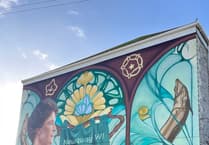
Madron Women’s Institute took the extraordinary step of inviting men along to their February meeting, giving them the chance to hear Canon Jennings speaking about some old documents recently found in the church. The records, which had been in an iron chest lined with cedar, gave details of payments made under the Poor Law in the days before the workhouse.
On a lighter note, the Cornish-themed evening at the Landithy Hall included two songs – Trelawney and the Furry Dance – and a pasty competition. The shape and crimping were examined carefully, the contents sampled – and the champion pasty-maker was declared to be Mrs Harry. One member had also sent along an example of the sweet, raisin-filled dough known as a fuggan, and this was divided by way of reward amongst the few brave men who had taken up the WI challenge.
Wednesday, February 7, 1923
Regulars at Ye Olde Inn, Gulval were to have their local back, after the licence was transferred to Mr Frederick Strange.
The previous licensee had been fined £2 for serving drink outside the permitted hours, and barred from opening at all.
West Penwith magistrates also discussed licensing hours for the coming year. Sunday opening, as usual, proved controversial. There was a move to shift the two-hour lunchtime session back by half an hour, so that pubs opened at midday rather than 12.30pm.
This, it was argued, would spare those leaving churches and chapels the sight of long queues of thirsty would-be customers consulting their watches as they waited for opening time. The request, however, fell upon stony ground.
Comments
This article has no comments yet. Be the first to leave a comment.